
ultimatum

Asian stock markets plunge amid Trump’s ultimatum on Iran | Oil and Gas News

Key indexes in Japan, South Korea and Hong Kong tumble as Iran threatens attacks on energy infrastructure across region.

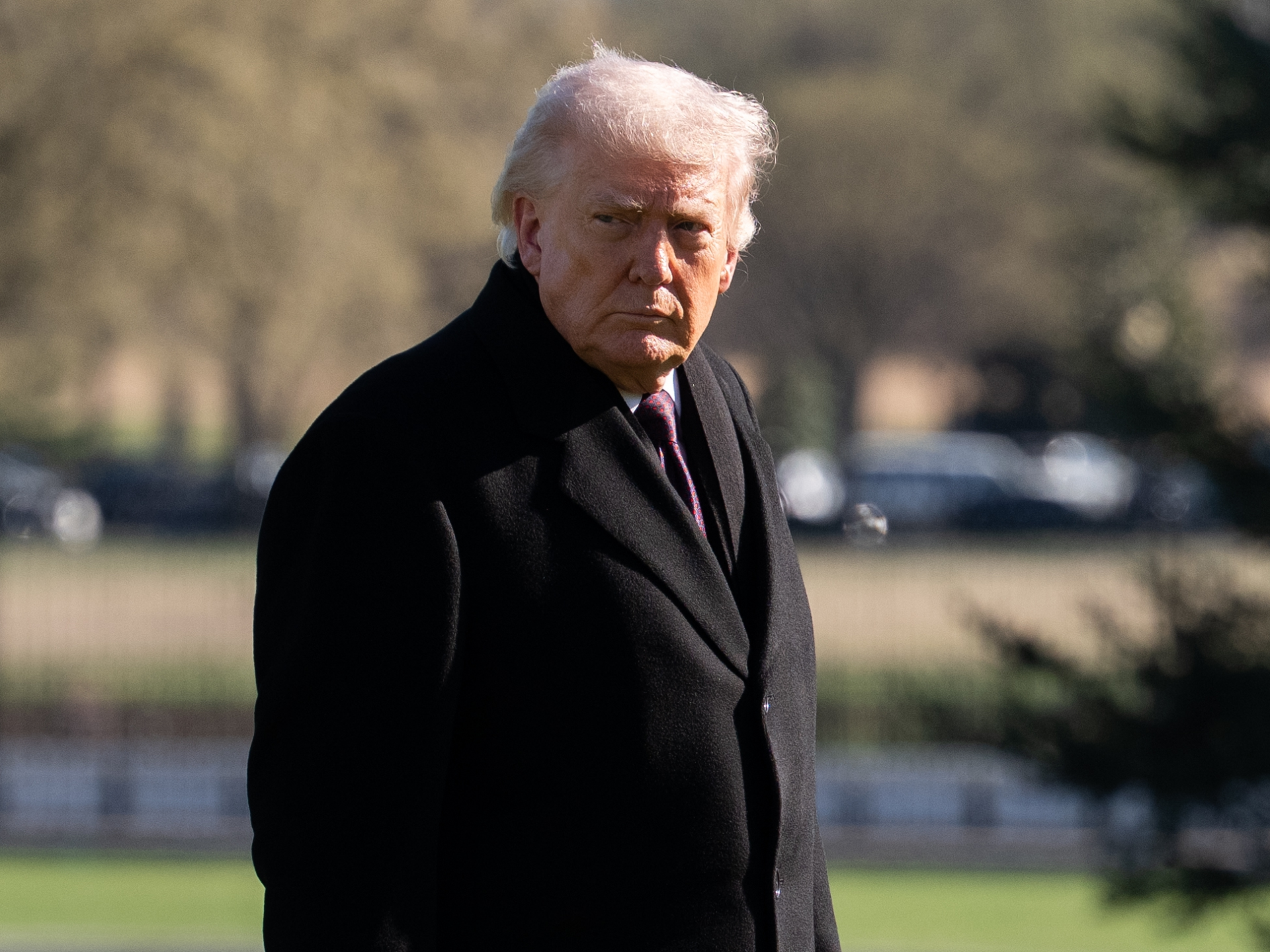
Stock markets in the Asia Pacific have fallen sharply amid US President Donald Trump’s ultimatum warning Iran to reopen the Strait of Hormuz or face the annihilation of its energy infrastructure.

Japan’s benchmark Nikkei 225 and South Korea’s KOSPI plunged 4 percent and 4.5 percent, respectively, in early trading on Monday.

Recommended Stories

list of 4 itemsend of list

In Hong Kong, the Hang Seng Index tumbled about 2 percent.

Australia’s ASX 200 dropped about 1.6 percent, while the NZX 50 in New Zealand dipped about 1.3 percent.

Futures on Wall Street, which are traded outside of regular market hours, saw moderate losses, with those tied to the S&P500 and the Nasdaq Composite down about 0.5 percent.

Oil prices remained volatile amid fears of further disruption to global energy supplies.

Futures for Brent crude, the international benchmark, rose more than 1.5 percent to top $114 a barrel, before easing to about $112 as of 02:00 GMT.

Trump on Saturday threatened to “obliterate” Iran’s power plants within 48 hours if Tehran does not end its effective blockade of the strait, through which about one-fifth of global oil and natural gas exports usually transit.

Tehran has pledged to completely close the waterway, which is still being transited by a small number of Chinese, Indian and Pakistani-flagged vessels, and launch retaliatory attacks on energy and water infrastructure across the region if Trump follows through on his threat.

Based on the timing of Trump’s warning on Truth Social, the deadline for his ultimatum is set to expire at 23:44 GMT on Monday.

Philippines
A woman stands beside a sign for prices at a gasoline station in Quezon City, Philippines, on March 19, 2026 [Aaron Favila/AP]

Trump’s threat has added to fears of a cascading global energy crisis as the US and Israel’s war on Iran approaches the one-month mark with no clear end in sight.

Oil prices have surged more than 50 percent since the start of the war, which began with US-Israeli strikes on February 28.

Analysts have warned that energy prices are likely to rise significantly further if the strait remains effectively closed, with some observers predicting oil to hit $150 or even $200 a barrel.

Trump on Sunday held a phone call with UK Prime Minister Keir Starmer to discuss the situation in the Middle East, including the effective closure of the strait.

The two leaders agreed that unblocking the strait is “essential to ensure stability in the global energy market”, Starmer’s office said in a statement.

Trump has provided conflicting messages about the goals of the war and how long it might last.

Hours before issuing his ultimatum on Saturday, Trump said that his administration was “very close to meeting our objectives as we consider winding down” military operations against Iran.

Israeli military spokesperson Lieutenant Colonel Nadav Shoshani last week told reporters that officials had detailed plans for at least three more weeks of war.

Source link

Trump issues 48-hour Hormuz Strait ultimatum, threatens Iran power plants | US-Israel war on Iran News

Tehran responds to Trump’s threat by saying all US energy infrastructure in the region will be targeted if Iran is attacked.

United States President Donald Trump has threatened to attack Iran’s power plants if freedom of navigation is not fully restored at the Strait of Hormuz within 48 hours, a dramatic escalation as the US-Israeli war on Iran continues for a fourth week.

The statement on Saturday came as Trump faces increasing pressure to secure the vital waterway that Iran has promised to keep closed to “enemy ships”, leading to soaring oil prices and plunging stock markets.

“If Iran doesn’t FULLY OPEN, WITHOUT THREAT, the Strait of Hormuz, within 48 HOURS from this exact point in time, the United States of America will hit and obliterate their various POWER PLANTS, STARTING WITH THE BIGGEST ONE FIRST,” Trump, who is in his Florida home for the weekend, wrote on Truth Social at 23:44 GMT.

He did not specify which plant he was referring to as the biggest.

Following Trump’s threat, the Iranian army said it would target all energy infrastructure belonging to the US in the region if Iran’s fuel and energy infrastructure were attacked.

Trump’s escalatory comments came barely a day after he talked about “winding down” the war that he launched alongside Israeli Prime Minister Benjamin Netanyahu on February 28, when the US and Iran were engaged in nuclear negotiations.

In a social media post on Friday, Trump said the US was “getting very close to meeting our objectives as we consider winding down our great Military efforts in the Middle East”.

Key waterway

Shipping traffic through the Strait of Hormuz, where a fifth of the world’s oil and gas passes through during peacetime, has virtually ground to a halt since the early days of the war.

Iran has said the Strait of Hormuz is open to all except the US and its allies, with Minister of Foreign Affairs Abbas Araghchi saying last week that he had been “approached by a number of countries” seeking safe passage for their vessels.

“This is up to our military to decide,” he told the US television network CBS, adding that a group of ships from “different countries” had been allowed to pass, without providing details.

The head of US Central Command, Admiral Brad Cooper, asserted on Saturday that Iran’s ability to attack vessels on the strait had been “degraded” after US fighter jets dropped 5,000-pound (about 2,300kg) bombs on an underground Iranian coastal facility storing antiship cruise missiles and mobile launchers earlier this week.

The strike also destroyed “intelligence support sites and missile radar relays” used to monitor ship movements, Cooper said.

Reporting from Washington, DC, Al Jazeera’s Manuel Rapalo said there seemed to be a “gap between what the White House appears to want in the Strait of Hormuz and what the US military says they have already accomplished”.

“It is interesting, to say at the very least, to hear Trump talking about a major escalation, given the fact that we’ve been hearing throughout the course of the day how much damage the US has done, supposedly, to Iran’s ability to target oil tankers and vessels navigating through the strait.”

Source link

The Hotel Inspector’s Alex Polizzi issues ultimatum to owner after spotting ‘problem’

Alex Polizzi made a return to our TV screens and helped a family transform their budget bed and breakfast

The Hotel Inspector’s Alex Polizzi was quick to issue an ultimatum to some hotel owners as she spotted a big problem. During Thursday’s (March 19) episode of the Channel 5 hit show, Alex was in the sprawling commuter town of Horley, to check into Gatwick Turret.

The budget bed and breakfast is run by 62-year-old Ram, 61-year-old Anj and their 37-year-old son, Rai. The 10-bedroomed Victorian guest house is just a mile down the road from Gatwick Airport, where over 250,000 flights carry up to 46 million passengers every year.

It seems like a great location for a hotel as a lot of people will be needing somewhere to stay before or after their getaways. However there is a lot of competition as Gatwick Turret is one of over 100 hotels, including big chain brands, fiercely vying for their business.

As the hotel owners wrestle with high overheads in a highly competitive market, the family have no choice but to run the hotel almost single-handedly to keep staffing costs down.

And Rai has a lot on his hands as the running of the hotel has recently been passed down to him and it’s all on him to turn things around for Mum and Dad and find a way of making a profit.

Alex knew she had a lot to do to help transform the hotel as she found mismatched décor and too many running costs. And before she could even get stuck in she was quick to spot a problem as she discovered that despite their hard work, the business is barely breaking even and the family are struggling to pay themselves.

Alex asked: “Tell me about what it cost you to put on a room?” Rai explained: “Each room costs around £4.20 for the linen. The tea, coffee tray, a bottle of water…”

Before he could finish his sentence, Alex jumped in: “It’s expensive water. I wouldn’t put a very expensive bottle of water in the room. So what does it cost?” Rai continued: “£3.20.”

Alex explained: “Adding to cost per room are roughly £6 on housekeeping, £9 towards the £350,000 pound mortgage, £24 on utilities and taxes and £9 commission for those pesky online booking sites.”

She continued: “So, the grand total of that, my dears, is £56. Lucky lucky you, all this work and all this headache and you’re making a profit of about £4 a night per year – not quite enough for retirement.”

Alex admitted: “There is obviously a problem.” She then asked: “Do you pay yourselves? Rai revealed: “A £1,000 each.” It was clear Alex was stunned as she gasped: “A £1,000 each a month. Gosh darling, I mean, I’m surprised the government allows it, you’re not even making minimum wage.”

Alex gave the owners an ultimatum as she later added: “So we either need to make more money or sell it off.”

After an intense few days of renovations and small changes, Alex managed to help the family turn things around and business seems to be heading in the right direction as Rai revealed that they are now making an extra £140 a week with their breakfast room and they managed to get some positive press.

You can stream The Hotel Inspector on Channel 5

Source link