US abandoning the SDF has impacted Kurds across the region | Kurds
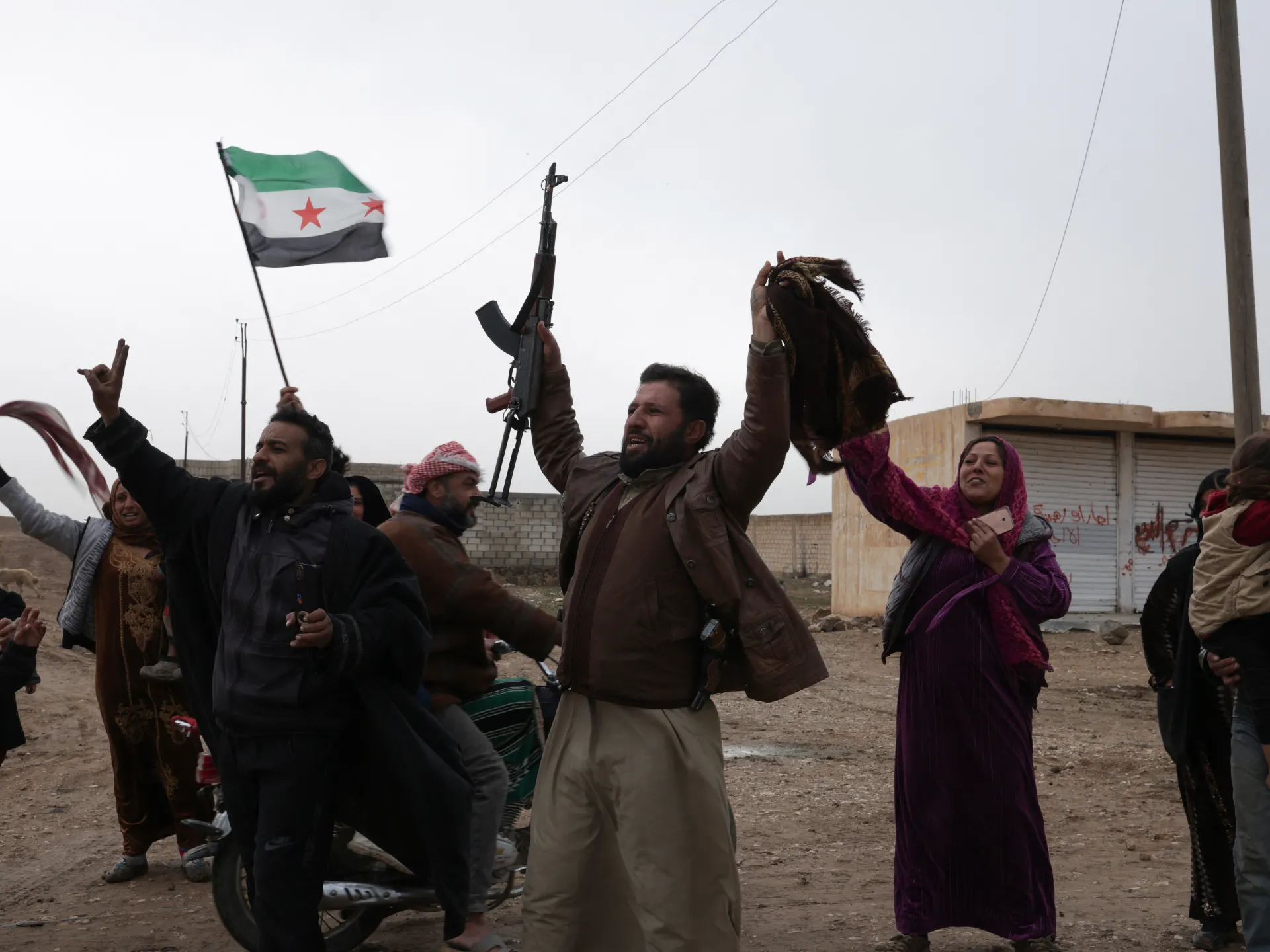
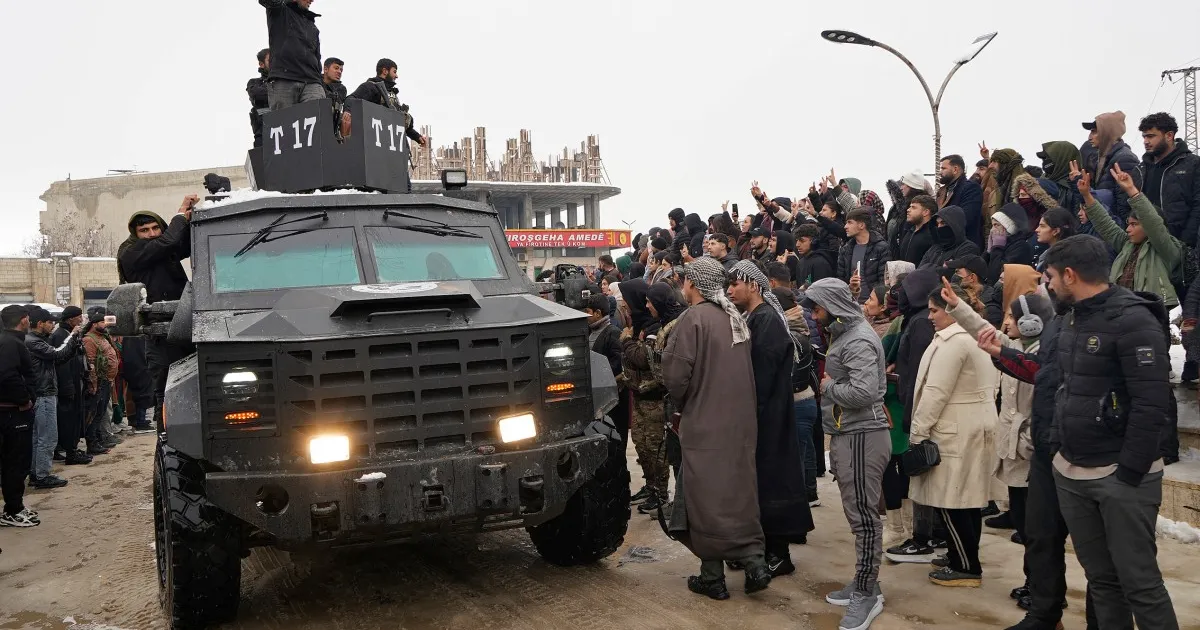
Last month during the violent clashes between Kurdish forces and the Syrian army, the United States delivered a devastating message to Syria’s Kurds: Their partnership with Washington had “expired“. This was not merely a statement of shifting priorities – it was a clear signal that the US was siding with Damascus and abandoning the Kurds at their most vulnerable moment.
For the Kurds across the region watching events unfold, the implications were profound. The US is no longer perceived as a reliable partner or supporter of minorities.
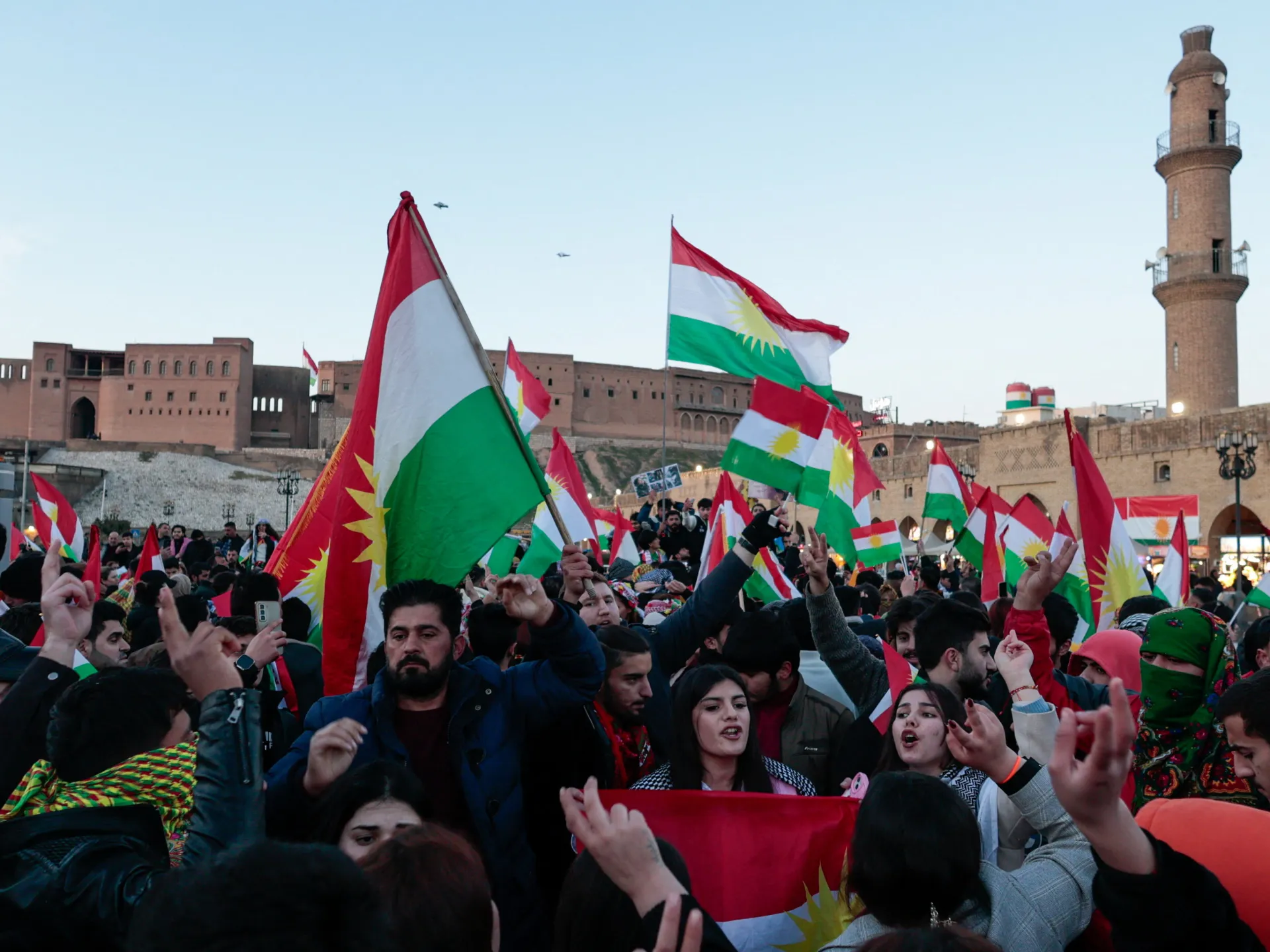
This development is likely to have an impact not just on the Kurdish community in Syria but also those in Iraq, Turkiye and Iran.
Fears of repeat marginalisation in Syria
US support for Damascus under interim President Ahmed al-Sharaa paves the way for a centralised Syrian state – an arrangement that Kurds throughout the region view with deep suspicion. Their wariness is rooted in bitter historical experience.
Centralised states in the Middle East have historically marginalised, excluded and assimilated Kurdish minorities. The prospect of such a system emerging in Syria, with US backing, represents a fundamental divergence from Kurdish hopes for the region’s future.
The approach the Assad regime to the Kurdish question was built on systematic denial. Kurds were not recognised as a distinct collective group within Syria’s national fabric; the state banned the public use of the Kurdish language and Kurdish names. Many Kurds were denied citizenship.
Al-Sharaa’s presidential decree of January 16 promised Kurds some rights while the January 30 agreement between Damascus and the Kurdish-led Syrian Democratic Forces (SDF) included limited recognition of Kurdish collective identity, including acknowledgment of “Kurdish regions” – terminology conspicuously absent from Syria’s political vocabulary and government documents in the past.
These represent incremental gains, but they are unfolding within a transitional government structure that aims for centralisation as its ultimate objective. That is why Syrian Kurds remain suspicious of whether the promises made today will be upheld in the future.
While a consensus has emerged among the majority of Kurdish groups that armed resistance is not strategically viable at this stage, any future engagement with the US will be perceived with mistrust.
Possibility of renewed Shia-Kurdish alliance in Iraq
After years of power rivalries between Shia and Kurdish parties in Iraq, both groups are now observing developments in Syria and potential changes in Iran with a shared sense of threat and common interests. If in 2003, their alliance was driven by a shared past – the suffering under Saddam Hussein’s regime – today it is being guided by a shared future shaped by fears of being marginalised in the region.
At both the political and popular levels, Shia and Kurdish parties and communities have had much more in common over the past few weeks than in the past. This convergence is evident not only in elite political calculations but also in public sentiment across both communities.
For the first time in recent memory, both Kurdish elites and ordinary citizens in Iraq are no longer enthusiastic about regime change in Iran, a position that would have been unthinkable just a few weeks ago.
In addition, last month, Iraq’s Shia Coordination Framework, an alliance of its Shia political parties, nominated Nouri al-Maliki for prime minister, the most powerful position in the Iraqi government. Remarkably, the Kurdistan Democratic Party (KDP), the dominant Kurdish political force, welcomed the nomination.
The KDP’s support for al-Maliki was not solely a reaction to anger over US policy in Syria. It was also rooted in Iraqi and Kurdish internal politics. The endorsement is part of an ongoing rivalry between the KDP and the Patriotic Union of Kurdistan (PUK) over Iraq’s presidency, an office reserved for the Kurds. The KDP needs allies in Baghdad to ensure its candidate, rather than the PUK’s, secures the position.
However, Washington might see an alignment between the KDP-led Kurdistan Regional Government in northern Iraq and an al-Maliki-led government or a similar government in Baghdad as not conducive to its interests in Iraq, especially its efforts to curb Iranian influence.
Before casting blame, Washington should ask itself why the Kurds feels compelled to adopt this position. The Kurdish stance cannot be fully understood without factoring US policy in Syria into the discussion. From a Kurdish perspective, the US has not been a neutral arbiter in Syria.
The peace process in Turkiye
Over the past year, many believed that the sustainability of Turkiye’s peace process with the Kurdistan Workers’ Party (PKK) hinged on a resolution of the Kurdish question in Syria and the fate of the SDF.
The violent clashes between Damascus, backed by Ankara and Washington, and the SDF threatened to close the door on negotiations. Remarkably, however, not all avenues have been shut.
It now appears the two issues are being treated as separate files. Negotiations with the PKK are likely to continue within Turkiye’s borders, and crucially, PKK leaders have not translated their disappointment over the weakening of the SDF into a definitive rejection of talks with Ankara.
What sustains this dynamic is that the SDF has not been entirely dismantled, leaving some breathing room for continued dialogue between Ankara and the PKK.
The Iranian Kurds
The Iranian Kurds, although farther away from Syria, have also observed events there and made their conclusions. The abandonment of the SDF reveals the unpredictable nature of US support for the region’s minorities.
In light of this and given continuing US incitement against the Iranian regime, it is quite significant that the Iranian Kurds collectively and deliberately decided not to be at the forefront of the recent protests or allow themselves to be instrumentalised by Western media.
The Kurdish community in Iran is not enthusiastic about a potential return of Reza Pahlavi, who clearly enjoys support from Washington, and the restoration of the shah’s legacy, which was also oppressive. Iranian opposition groups – many of them based in the West – have not offered a better prospect for the Kurdish question. There is widespread fear that the current regime could simply be replaced by another with no guarantee for Kurdish rights.
Some Iraq-based Iranian Kurdish armed groups did carry out attacks on Iranian positions near the Iran-Iraq border. But the main Iranian Kurdish armed actors chose not to engage directly or escalate militarily. Their calculations are based on the uncertainty about the endgame envisioned by Israel and the US and the reality that any escalation would provoke Iranian retaliation against Iraqi Kurds.
With each abandonment of its Kurdish allies, the US further erodes the foundation of trust upon which its local partnerships rest. Iraqi and Syrian Kurds have learned to live with American unreliability, but this arrangement may not endure indefinitely. When it fractures, the consequences for US influence in the region could be profound.
The views expressed in this article are the author’s own and do not necessarily reflect Al Jazeera’s editorial policy.