Mauritius

Best long-haul babymoon destination according to a pregnant travel editor – it’s Zika-free and so relaxing

Tropical weather, luxury accommodation and relaxing rituals make this island the perfect babymoon destination to visit when pregnant, says travel editor Laura Mulley

Looking for a holiday destination for one last trip as a two before our baby arrived, we found our options surprisingly limited. We didn’t want to chance potential bad weather in Europe off-season, and with the risk of mosquito-borne virus Zika – which is particularly dangerous to pregnant women – ruling out most of the Caribbean and Asia, there was a clear frontrunner that ticked all of our boxes: Mauritius.

Emirates proved to be the best airline to fly with from our nearest airport – Manchester – with the most flight options available – and the staff were exceptionally helpful at making a six-months-pregnant woman feel as comfortable as possible during the journey.

Once we landed, our aim was simple: to enjoy all the things we’d probably struggle to do once our baby arrived, on what would potentially be our last relaxing holiday for a while. And it certainly delivered.

READ MORE: ‘I maximised my holiday to the Maldives with this clever booking trick’

READ MORE: ‘I got a first look at 2026’s newest cruise ship and found its hidden secret on board’

Le Méridien Ile Maurice

Our first stop was the huge, open, colourful Le Méridien Ile Maurice on the island’s northwest coast. One of Mauritius’s leading family hotels (perfect for showing us what to expect from our future holidays), its hidden gem is its adults-only section, Nirvana, at the end of the kilometre-long beach, which has its own rooms, reception, restaurant, beach area and infinity pool scattered with squishy floating beanbags.

Our Hideaway Suite here was truly one of the biggest we’d ever seen, with a massive distance between the patio doors at the front to the heated plunge pool out the back. Guests get access to a ‘butler’ via WhatsApp, and lots of thoughtful touches from the friendly staff make staying here feel extra-special, from the complimentary cocktail (or mocktail) by the pool at sundown to the petal-strewn bath we found waiting for us after dinner. One night there was even a pregnancy pillow laid out on the bed, something we hadn’t requested but made our stay even more comfortable.

The food at Le Méridien

There are four restaurants at Le Méridien, and it’s worth making your way around them all: Nomad’s buffet is popular with families, Waves serves Mediterranean-style fish and grilled dishes, Kumin gives guests a taste of Mauritius’s strong Indian influence, and – our favourite – Nirvana’s Jade does excellent Asian cuisine, including sushi and teppanyaki (take breakfast here too if you want to savour the child-free moments for as long as possible). All are included in half-board and all-inclusive packages, although booking is recommended for the à la carte restaurants.

What to do at Le Méridien

Keen to enjoy as many grown-up activities as possible, we took part in sunset yoga on the beach, took kayaks and pedalos out into the lagoon’s clear waters, and enjoyed treatments in Le Méridien’s spa, including a heavenly head massage using warm coconut oil, and the perfect pre-natal full body massage. The therapists here are all incredibly skilled – you’ll really feel the benefits.

St Regis Le Morne

The second half of our trip was spent at sister hotel St. Regis Le Morne, formally the JW Marriott, and which joined the historic St. Regis hotel group – founded by American tycoon and Titanic victim John Jacob Astor IV – following a major renovation last year.

On the island’s southwest point, this is a quieter, more secluded part of the country, and St. Regis sits under the shadow of Mauritius’ iconic Le Morne mountain surrounded by miles of beautiful beaches and shallow waters.

Although we spotted plenty of multi-generational families here too, St. Regis definitely has a more elegant and luxurious air to it. With a colonial-style design and elegant rooms set amongst lush vegetation and trickling water features, it has a slight ‘White Lotus season three’ vibe.

There’s a huge pool here, but we found that most couples chose to spend their days on the loungers under palm leaf-umbrellas that line the beach, which are peaceful, always available, and serviced by bar staff at the touch of a button.

The food at St Regis Le Morne

Out of St. Regis’s five restaurants, our favourites were INDYA, serving a modern take on Indian cuisine with the friendliest service, and Japanese Atkuso, where the chef veered from the menu to whip up some of the best maki rolls we’d ever tried to cater to our vegetarian diets. Each restaurant also does its own signature cocktails and ‘mindful mocktails’ with certain health benefits.

What to do at St Regis Le Morne

St. Regis is proud of its history and heritage, and a key feature are its three ‘rituals’, found in all its properties around the world, and all – pleasingly for our purpose – highly unsuitable for children: Bloody Marys, sabrage and afternoon tea.

In homage to the first ever spicy tomato juice cocktail as we know it, reportedly invented at the St. Regis New York in the 1920s, our charismatic bartender Vymal demonstrated how to make this hotel’s own version, the L’Île Mary, using Mauritian rum infused with curry leaves and topped with turmeric foam. The self-appointed Bloody Mary connoisseur out of the two of us declared it to be one of the best he’d ever tasted.

Next up was learning sabrage – the art of opening a bottle of champagne with the swish of a sword, and supposedly how Napoleon liked to celebrate his victories. Although initially unconfident, following expert instruction we were thrilled to deftly remove the top of our bottle of fizz in one smooth swipe.

Afternoon tea was a more genteel affair, and is a reference to Lady Astor’s daily habit of gathering family and friends around in the afternoons to share wisdom. Here it involves Mauritian tea and viennoiserie from the hotel’s kitchen, taken under swaying palm trees on the beach – just heavenly, and the perfect last few moments of calm before we became a three.

How much does it cost?

Rooms at Le Méridien Ile Maurice start from £220 per night on a B&B basis based on double occupancy. Rooms at St. Regis Le Morne start from £585 per night based on double occupancy (two night minimum stay required). Returns flights from Manchester to Mauritius were with Emirates start from £775.

Source link

The injustice in Chagos continues | Donald Trump

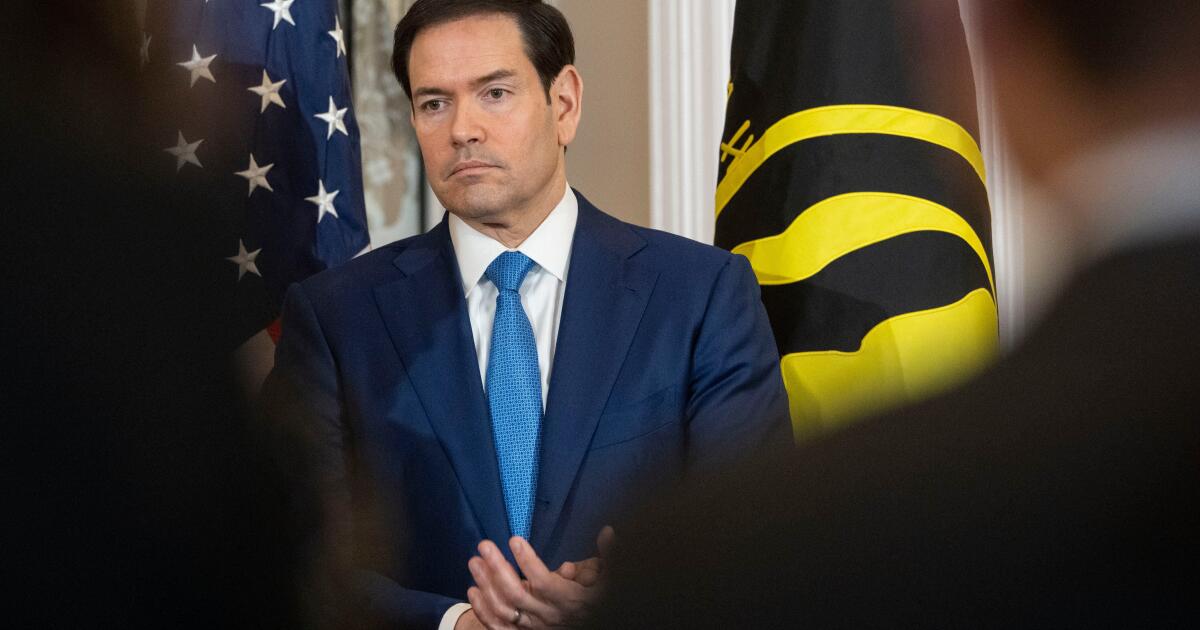
President Donald Trump’s description earlier this month of the UK–Mauritius agreement on the sovereignty of the Chagos Islands as “an act of great stupidity”  briefly turned the world’s attention to the remote archipelago.

While most of the coverage and debate focused on the US military base on Diego Garcia island, little attention has been given to the sordid story of US and UK involvement in ongoing crimes against humanity against the islands’ Indigenous people – the Chagossians.

The Chagossians, whose island homeland is in the middle of the Indian Ocean, are largely descended from formerly enslaved East Africans. More than 60 years ago, US officials decided that the largest island, Diego Garcia, would be a suitable location for a remote military base.

The US saw the Chagossian population as a problem, as they wanted the island “clean” of inhabitants. Over the next decade, they secretly plotted with the UK – the colonial power governing Chagos – through a manufactured story based on racism and lies, to force the islanders from their home.

One US admiral, Elmo Zumwalt, said the islanders “absolutely must go”. To scare them into leaving, UK and US personnel gassed their dogs. From 1967 to 1973, the UK proceeded to force all the Chagossians – as many as 2,000 people – from all the islands, not only Diego Garcia. The US built and has now operated the Diego Garcia base for more than 50 years.

Today, the Chagossians live in exile, largely in the UK, Mauritius and the Seychelles. Many remain in poverty and have been prevented by the UK and US from returning to live in their homeland, even though generations have continued to campaign to do so. The islands, apart from the US military base, remain abandoned.

The story of US involvement in this forced displacement has been gradually uncovered, including through a congressional inquiry, the work of the academic David Vine, and the indefatigable struggle of generations of Chagossians to uncover the truth and return home. In 2023, Human Rights Watch found that the UK and US were responsible for crimes against humanity and had a duty to provide reparations – an opportunity to right their wrongs.

As a result, the US State Department for the first time acknowledged “regret” for what had happened to the Chagossians. Subsequently, the UK and Mauritius agreed in principle to a treaty to recognise Mauritian sovereignty over the islands, although the UK will maintain formal control of Diego Garcia island and the US military base will remain.

Forgotten in this settlement are the Chagossians. The treaty talks about historical wrongs, but the crimes are ongoing. The Chagossians are still prevented from returning home: Their islands – apart from the base – remain empty. Some Chagossians hope that the treaty will allow them to live on some of the islands, though this will depend on Mauritius fulfilling its obligations. The treaty itself provides no guarantee of their return and says nothing about the reparations owed to the Chagossians.

The US still appears opposed to Chagossians returning to Diego Garcia, even though the base occupies at most half the island. No Chagossian we’ve spoken to wants the base to close; instead, they would like the opportunity to work there. The US has kept a very low public profile in the negotiations – at least until President Trump’s comments – hiding behind the UK.

But the agreement’s terms make it clear that the US has been influencing the negotiations. The US “regret” for the treatment of the Chagossians has yet to translate into ensuring the Chagossians can return to Diego Garcia.

The treatment of the Chagossians is a crime in which the US has been implicated for more than 50 years, and to which Trump has inadvertently drawn attention. Having acknowledged regret, the US and UK governments should now ensure that their actions align with their obligations under international law, including working with Mauritius to enable the Chagossians to return to their homeland and providing appropriate reparations. Until that happens, the injustice remains unresolved.

The views expressed in this article are the author’s own and do not necessarily reflect Al Jazeera’s editorial stance.

Source link

Stunning island ‘bursting with colour’ still sunny in February at 30C

This tropical paradise with beaches, waterfalls, rainforests and warm February weather is perfect for escaping the UK winter

With cold, wet weather blanketing much of Britain, it’s no wonder many of us are fantasising about jetting off somewhere sunny to escape the gloomy conditions. While sandy shores usually mean booking flights to the Maldives or Bali, there’s a less crowded tropical haven that’s worth considering – Mauritius.

This small island sits off Africa’s southeast coast, roughly 1,200 miles from the mainland. Despite its modest size, it boasts stunning beaches thanks to the coral reefs encircling it. These natural formations create beautiful lagoons with crystal-clear turquoise waters and gentle waves, allowing visitors to spot abundant marine life without even boarding a boat.

But Mauritius offers far more than just coastline – you’ll find cascading waterfalls, lush rainforests, volcanic craters, and even giant tortoises nearby, meaning you can take in extraordinary landscapes all within a single afternoon.

According to Heather Richardson from Safari Bookings, Mauritius ranks among the “most beautiful” and “most spectacular” islands on the planet.

She explained: “An island bursting with colour, Mauritius is so much more than a beach destination (though its white-sand shores are indeed beautiful).”, reports the Express.

“With rich, green rainforests, craggy mountains, silvery waterfalls and a diverse and delicious foodie scene, there’s plenty to enjoy when you’ve had your fill of beach time.”

What makes Mauritius truly special is the versatility it offers – one day you’re lounging beside pristine turquoise waters, the next you’re embarking on a boat trip, exploring underwater worlds, trekking through nature, spotting dolphins or venturing to another island.

Among Mauritius’ most celebrated landmarks is Le Morne Brabant, a UNESCO World Heritage Site where an imposing peak emerges dramatically from the ocean.

Viewed from above, the panorama is stunning as the shoreline seems to cascade into the depths, creating the visual illusion of an enormous submerged waterfall.

In truth, it’s simply the distinctive shape of the ocean floor combined with drifting sediment that deceives the eye, yet it appears enchanting and remains a favourite spot for photography.

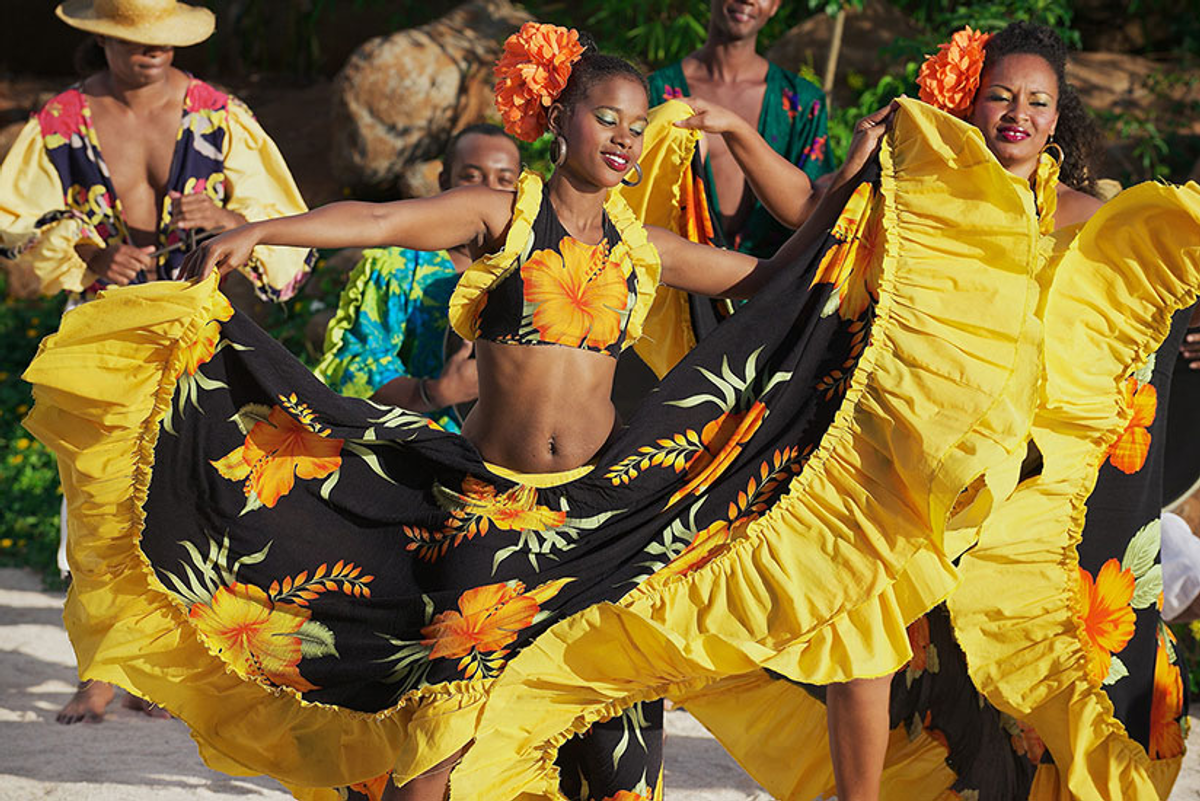
Mauritius is equally renowned for its distinctive cuisine, which blends Indian, French, Chinese and Creole traditions, drawing visitors specifically for the culinary experience.

Wandering through the lively bazaars of Port Louis or dining at a neighbourhood eatery can be delightful, though numerous tour companies across the island also offer guided gastronomic tours.

The island has additionally gained recognition for its rum production, with methods dating back centuries and enhanced with indigenous ingredients such as vanilla, passion fruit and aromatic spices.

There’s perpetually something distinctive to experience in Mauritius, and even during February, conditions remain pleasant, with typical temperatures spanning 24°C to 30°C.

Source link