luggage

Major airline introduces strict new luggage rules with £125 fines for rulebreakers

A MAJOR European airline has introduced strict new luggage rules, with huge fines for rulebreakers.

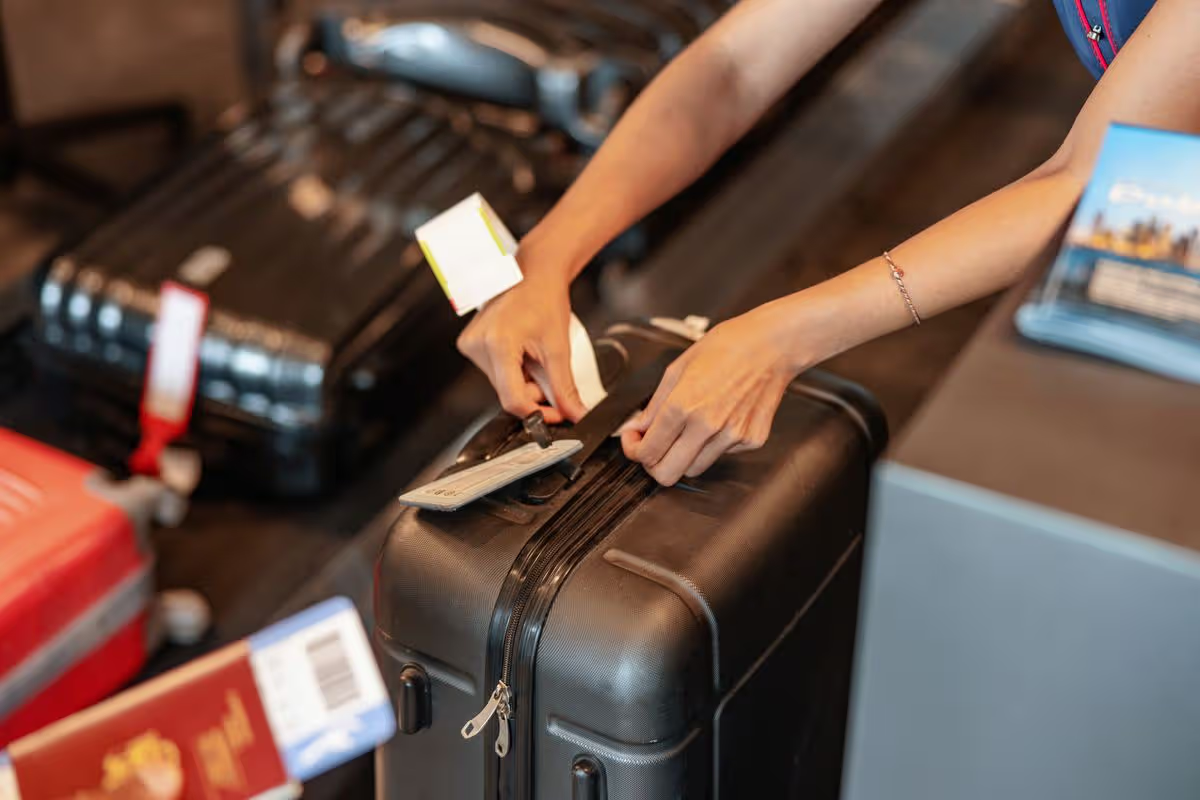
Spanish airline Iberia is cracking down on passengers who travel with non-standard shaped luggage.

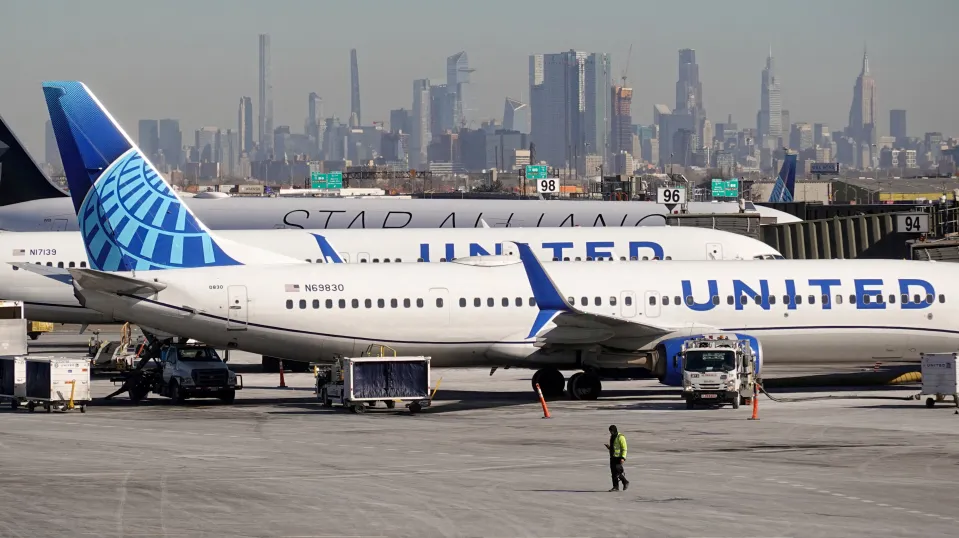
Iberia has introduced strict new luggage rulesCredit: Alamy
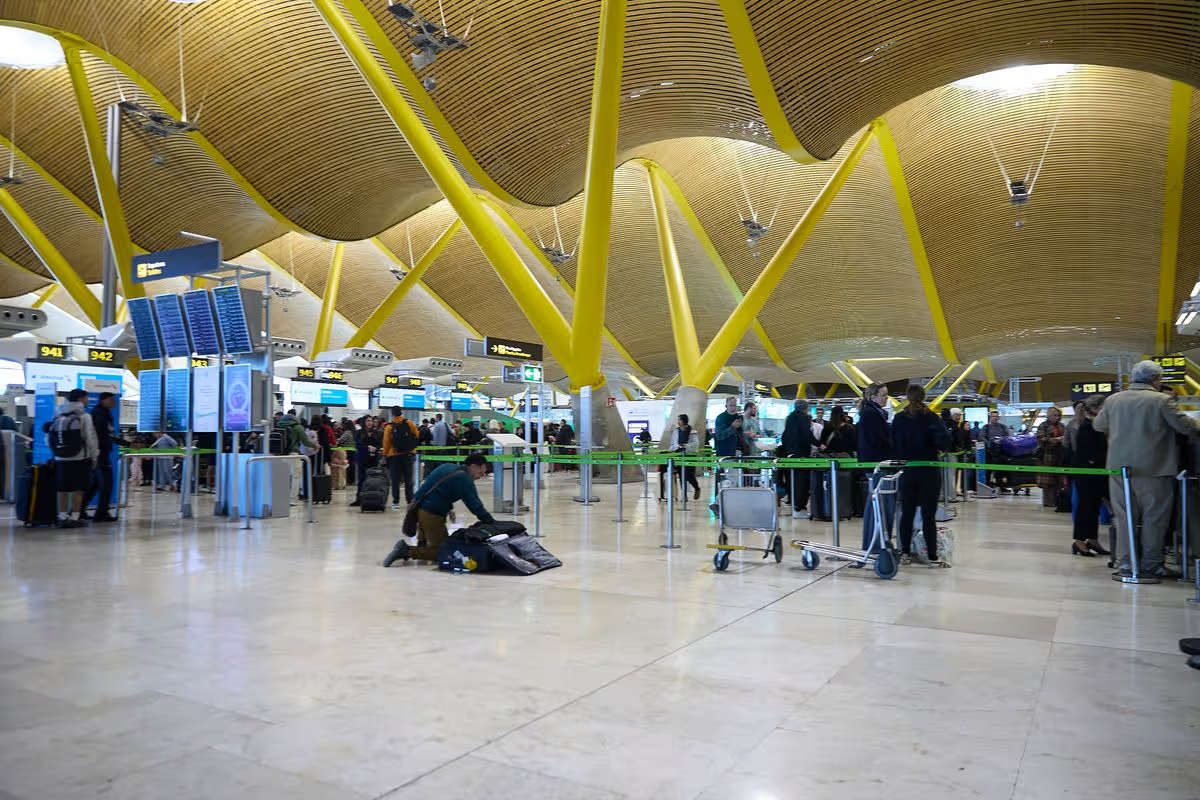
Soft and irregular bags risk the new finesCredit: Alamy

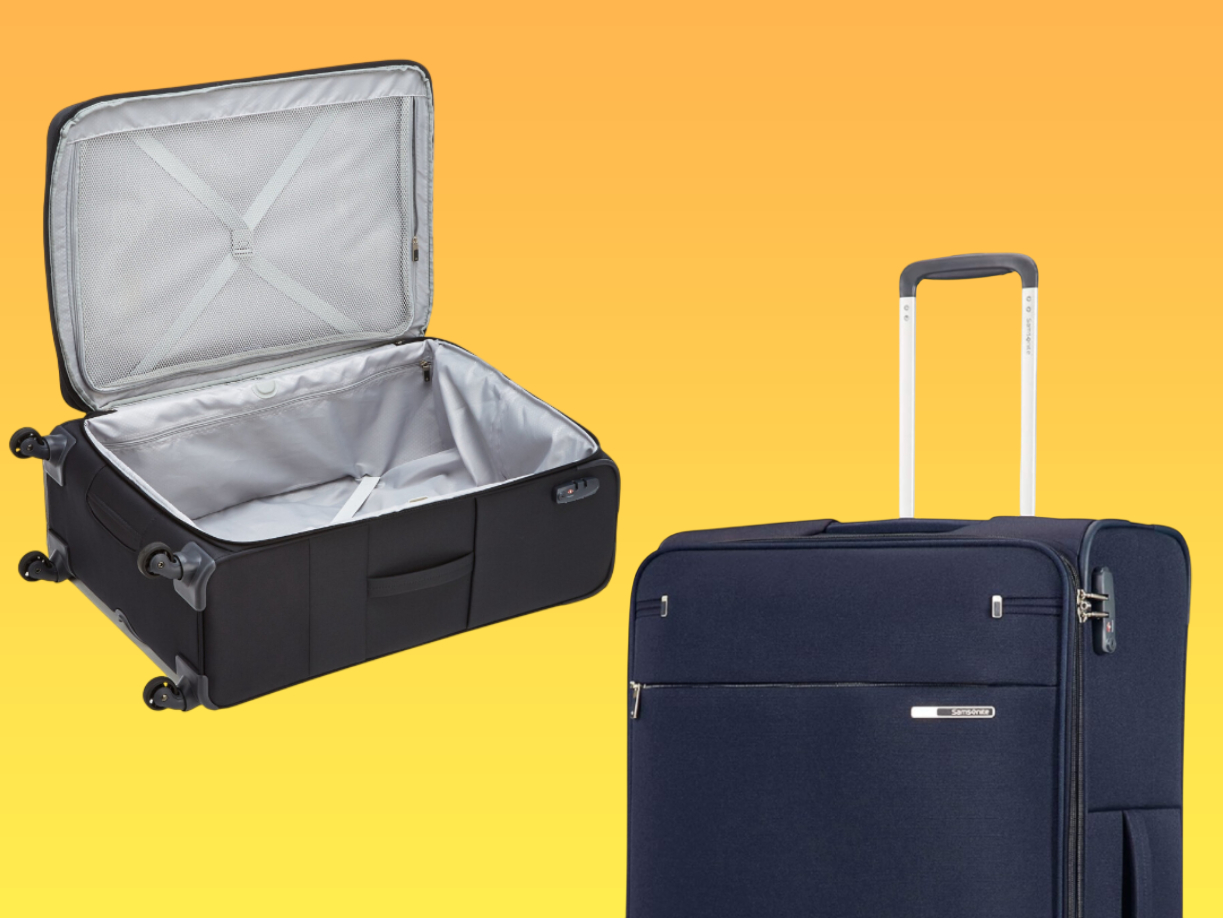
This can mean any bulky or irregular shaped items, which can also include soft luggage if it doesn’t fit the usual shape.

The new rules were rolled out last month since January 28.

The website states: “Starting today, January 28, an extra charge may apply for checking in irregularly shaped baggage.

“Irregularly shaped baggage is defined as any item whose shape, material, or dimensions may interfere with the airport’s automated systems (for example: soft bags, plastic packages, round or oval bags, or non-rigid packaging).”

PACK IT IN

Ryanair warning to any Brits jetting off with Xmas presents in their luggage


Taking flight

Hand luggage sizes explained: Each major airlines baggage allowances

The airline warns that the bag will be assessed at the special baggage check in counter.

The maximum fine is £125, for anyone on a connecting long-haul flight to America or Asia.

Brits are more likely to be fined around £55 for a flight from the UK to Europe.

Passengers could even have the bag refused if it is said to fail any “operational or security reasons”.

Or, it might have to travel on a later flight in “exceptional cases”.

The Sun has contacted Iberia for additional comment.

Last year, Ryanair changed its hand luggage for the better.

The airline increased the size of the free bags that can be taken into the cabin from 40cmx20cmx25cm to 40cmx30cmx20cm.

This means the overall capacity increased from 20 litres to 24 litres.

Here are some other hand luggage rules to be aware of.

We’ve rounded up some of the best suitcases to buy ahead of your summer holiday.

And here are our best underseat cabin bags.

The new rules were rolled out last monthCredit: Alamy

Source link

Holidaymakers could face £5,000 fine for what they pack in their luggage

If you do not declare banned food products, you could be fined up to £5,000

With Easter on the horizon, many Brits will likely jet off abroad for some much-needed sunshine. However, it’s crucial to be aware of the rules on returning to England, as a single mistake could result in a hefty fine.

You may be surprised to learn that this pertains to what you’re allowed to pack in your suitcase. While there are no restrictions on bringing food items such as bread, biscuits, and chocolate, other products are either banned or require declaration.

Official Government guidance has said: “There are restrictions on bringing meat, dairy, fish and animal products and fruit, vegetables, nuts and seeds into Great Britain from abroad. If you’re bringing in any food or animal products protected by the Convention on International Trade in Endangered Species of Wild Fauna and Flora (CITES), you may need to apply for a CITES permit.”

Generally, the rules regarding the importation of meat, dairy, fish, and other animal products into Britain largely depend on their country of origin. At present, there are tight restrictions on importing certain meat or dairy products from any EU country into Great Britain for personal use.

This ban is part of an effort to prevent further spread of animal-related diseases following recent outbreaks in Europe. It specifically applies to the following food items:

  • Mutton
  • Goat
  • Venison
  • Other products made from these meats, for example, sausages
  • Milk and dairy products like butter, cheese and yoghurt
  • Pork
  • Beef
  • Lamb

However, it is understood that holidaymakers can still bring fish, poultry, eggs, or honey from the EU, Switzerland, Norway, Iceland, Liechtenstein, the Faroe Islands, and Greenland for personal use.

Food restrictions for nations beyond the EU are somewhat more stringent. Existing regulations stipulate that travellers cannot bring back any meat or meat products, or milk or dairy products.

Exemptions do exist, particularly for powdered infant milk, baby food or anything required for medical purposes. Additional Government guidance has also clarified that you may bring in ‘up to 2kg per person’ of:

  • Honey
  • Powdered infant milk, infant food, or special food (including pet food) needed for medical reasons – you can only bring it in if it does not need to be refrigerated before use, and is in branded, unopened packaging (unless in current use)
  • Shellfish, such as mussels or oysters
  • Snails – these must be preserved or shelled, cooked and prepared
  • Frogs’ legs – these must be the back (hind) part of the frog with the skin and internal organs removed
  • Insect meat

Travellers may bring up to ’20kg per person in total of fish’ too, including:

  • Fresh fish – must be gutted
  • Fish products
  • Processed fish – must be dried, cooked, cured or smoked
  • Lobsters
  • Prawns

It is vital to understand that the Government also enforces restrictions concerning plant products. Holidaymakers are permitted to transport fruit, vegetables, nuts, and seeds from the EU, Switzerland, or Liechtenstein into the UK.

However, restrictions vary considerably for countries beyond the EU. The Government’s advice continued: “You cannot bring in most fruit or vegetables unless you have a ‘phytosanitary’ (plant health) certificate for them. You can get a certificate from the plant health authorities in the country you’re leaving.”

Anyone travelling to the UK from countries outside the EU can only take these items back without a certificate:

  • Pineapple
  • Kiwi
  • Coconut
  • Citrus fruits, such as oranges, lemons, limes and grapefruit
  • Kumquat
  • Persimmon
  • Durian
  • Curry leaves
  • Banana and plantain
  • Mango
  • Dates
  • Passion fruit
  • Guava
  • Processed and packaged plant products, such as packaged salads or frozen plant material
  • Peeled and processed nuts or nut butters
  • Certain grains, such as rice

“If you declare banned food products to Border Force officers at customs, they’ll take them away and destroy them,” the Government has added, according to the Express. “If you do not declare banned food products, you could be fined up to £5,000 (in England) or you could be prosecuted.

“Border Force can take away (‘seize’) your products if they think: you’ve brought something into the country illegally, you’ve brought in too much of a restricted product, it’s been cross-contaminated, for example with blood from meat – if any clothing or a bag the item’s in is contaminated, it’ll be destroyed.

“If you’re not sure about any of the products you’re bringing in, speak to a Border Force officer in the ‘red channel’ at customs or on the red point phone.”

For more information, head to the Government’s website here.

What other items face no restrictions?

You are allowed to bring the following items into Great Britain from any country without restrictions:

  • Bread, but not sandwiches filled with meat or dairy products
  • Cakes without fresh cream
  • Biscuits
  • Chocolate and confectionery, but not those made with a lot of unprocessed dairy ingredients
  • Pasta and noodles, but not if mixed or filled with meat or meat products
  • Packaged soup, stocks and flavourings
  • Processed and packaged plant products, such as packaged salads and frozen plant material
  • Food supplements containing small amounts of an animal product, such as fish oil capsules

Source link

Ryanair tells all plane passengers to stop packing 1 toiletry in hand luggage

Ryanair has told passengers to stop packing a popular toiletry in their hand luggage. If you make the mistake, it could cause a few problems at airport security

There’s nothing like jetting off to a hot location during the winter months, but you need to ensure you pack your belongings in the right cases. In fact, airline Ryanair has told passengers they need to avoid placing a popular toiletry in their hand luggage if they want to travel through airport security with ease.

It’s worth paying attention to as, if you fail to follow the expert advice, it could land you in a spot of bother. In fact, it was recently brought up on Reddit after a traveller was left a little confused about the rules as to what he could carry in his hand luggage.

This isn’t the first time vital air travel information has been brought to people’s attention either. Back in December, a travel expert also shared the airport rule that all passengers should follow.

On Reddit, a social media user posted: “I recently started using safety razors and I was wondering if I could carry mine with one blade inside or a packet of blades. I don’t have a checked bag, only the carry-on.

“Previously I was always able to bring disposable razors with the blades stored in the plastic compartment. In the General terms & Conditions, Ryanair says safety razors are allowed but, I asked the support and, even though he wasn’t anywhere specific to answer my query, he said that sharp objects are not allowed.

“So, if I bring the safety razor with me with a blade in it, the worst that can happen is they are just going to remove the razor and give me the head/handle (enclosure thing) back?”

The question got a lot of people talking, as one person replied: “Safety razor will be fine. Really comes more down to the airport you are going through, not the airline, and even then it also comes down to the individual person you deal with.”

Another added: “OP (original poster) is not asking about safety razors per se. He’s asking about the blades, which are definitely prohibited items. Someone intent on causing harm could quite easily unscrew the razor and use the blade or spare blades as weapons.”

A third also replied: “NO, you cannot. Razor blades, including straight razor blades and replacement blades, are prohibited items because they could be used as weapons.

“However, as you said, fixed cartridge razors (disposable razors) generally are allowed in carry-on luggage. Safety razors (with blades in a plastic head) also are usually permitted in carry-on luggage. But NOT the type where you can unscrew the head and extract the blade.”

If you usually carry razors with you when you travel, which a lot of people do, it turns out there are some rules you need to follow. All you need to know is detailed on the Ryanair website.

What does Ryanair say?

The website reads: “The following items must not be carried on board, but may be carried as part of your checked baggage. Objects with a sharp point or sharp edge capable of being used to cause serious injury, including razors and razor blades (except safety or disposable razors with enclosed blades and razor heads held in plastic compartments).”

It also detailed all the other items that are banned in carry-on luggage. While each airline may differ slightly when it comes to its regulations, generally there are some rules you should follow.

Even though all razors aren’t banned in carry-on luggage, certain types are prohibited. Some airlines allow disposable razors, cartridge razors and electric shavers/epilators to be carried in hand luggage.

However, traditional safety razors, straight razors and loose razor blades are usually not allowed in the cabin and must be packed in checked luggage. This is due to the fact that they are so sharp.

If deemed dangerous, security can confiscate them and the mistake could see you facing delays at the airport. In a nutshell, it’s a packing mistake that’s really not worth making.

Source link

Ryanair tells all passengers to stop packing 1 item in hand luggage from January

Ryanair has told all passengers to stop putting a popular item in their hand luggage from January. It turns out, it should never be stored there and could cause problems at security

With the UK being so wet and dreary at this time of year, it’s no wonder people dream of escaping to other parts of the world, but there are some things you need to know if you’re preparing to hop on a plane. When it comes to packing, there are some important rules you need to follow to ensure your airport experience goes smoothly.

According to Ryanair, certain items should never be packed in your hand luggage, and one of them is super popular at this time of year. From January, you may want to think a little more about how you’re preparing to travel.

The thought of jetting off abroad may be lovely, but air travel comes with its stresses. There are some key guidelines you need to follow when it comes to your hand luggage.

Previously, the topic came up on Reddit when a social media user asked: “Looking for a trekking pole to buy. Which kind of pole (collapsible/telescopic) would be better so that it could be brought as a carry-on bag on Ryanair/Iberia?”

It got a lot of people talking, and they were quick to point out an essential piece of information, and it’s worth noting if you’re planning on going skiing any time soon. One person replied: “I don’t think it really matters what airline you fly. You have to get past security with them, and they are usually not allowed.”

Another wrote: “You will always be taking a risk unless you put them in a checked bag.” A third also replied: “Trekking poles are not allowed in your carry-on. This rule is not always enforced, but that is the rule.

“One time I flew to a location with my poles in my carry-on, but they wouldn’t let me on the flight to come back with those same poles in my carry-on (same airline).”

However, according to Ryanair, this isn’t the only thing you need to be aware of. If you’re going skiing any time from January, you need to stop packing poles in your carry-on luggage too.

What does Ryanair say?

According to the airline, various items are prohibited in carry-on luggage, and all of these are detailed on the website. However, when it comes to poles, it offers specific advice.

It reads: “The following items must not be carried on board, but may be carried as part of your checked baggage. Objects with a sharp point or sharp edge capable of being used to cause serious injury.”

Ski poles and hiking poles feature in the list, so it’s important you don’t take them in your hand luggage. Generally, they need to be checked in, as they are deemed too sharp to carry through airport security.

Due to their length and sharp tips, they are considered potential weapons. While some travellers may find success with collapsible poles tucked away, security agents typically require them to be checked.

Though some airline guidelines may differ, the safest option is to put them in your checked luggage. This will help avoid any problems or delays at airport security.

If you opt to try and take them through, you risk having to surrender them at airport security. It’s a gamble that’s really not worth taking when you travel.

Source link

Cruise packing mistake as passengers warned 1 common item in luggage will be confiscated

Travel enthusiast Laurie has warned cruise passengers about one common item that will be taken from you at boarding as it poses a big fire risk if you use it onboard the ship

Whilst packing may not be the most thrilling aspect of a holiday, it certainly builds anticipation as you decide what essentials to take along on your travels.

For those embarking on a cruise in particular, it’s crucial to familiarise yourself with the varying regulations each cruise line enforces to ensure passenger safety whilst at sea. Typically, this involves each vessel maintaining a list of forbidden items that passengers are not allowed to bring aboard.

To help fellow holidaymakers in knowing what to leave behind, travel enthusiast Laurie – who goes by ‘traveltipsbylaurie’ on Instagram where she boasts 312,000 followers – has shared her expert advice on cruise packing.

In a recent video, she highlighted one specific item that’s banned from all cruise ships and will be confiscated upon boarding due to the risks associated with it.

“Do not get kicked off your ship by doing this one travel tip for the electronics that you bring to the ship,” Laurie warned at the beginning of her clip. “Just save yourself the stress by doing this one travel tip.”

Content cannot be displayed without consent

“In our room with two twin beds, there is only one outlet section on one side, so get a powerstrip that is non-surge protecting, this one’s from Amazon,” she told viewers.

In the caption accompanying her post, she clarified that standard power strip towers or extension leads won’t make it past cruise ship security as staff will seize them as soon as you board.

The reason? Their surge protection elements pose a substantial fire risk. Cruise vessels operate on different electrical systems to residential properties, and when surge protectors interact with the ship’s power network, they can trigger overheating, flip circuit breakers, and create genuine safety concerns.

That said, you’re permitted to bring aboard a “non surge protector” power strip, which typically gets the green light on cruise ships. Multi-port USB chargers (without high-voltage sockets) generally pass muster too.

But, it’s wise to double-check with your specific cruise line before you embark, so you know what the rules are beforehand.

Should your power strip be confiscated when you step onto the vessel, crew members will tag it and ensure its return when you disembark.

The comments section quickly filled with responses, as numerous people were caught off guard by this stringent cruise ship policy.

“Oh I had no idea,” one individual remarked.

Another shared: “I brought one a few years ago and it was taken right away. I got it as I exited the cruise ship. You are absolutely right!!!”.

A third person said: “Royal [Caribbean] doesn’t allow any power plugs with a cord. They are only allowing non surge protectors that plug directly in. I thought Celebrity (owned by same company) had been doing this, too.”

Source link