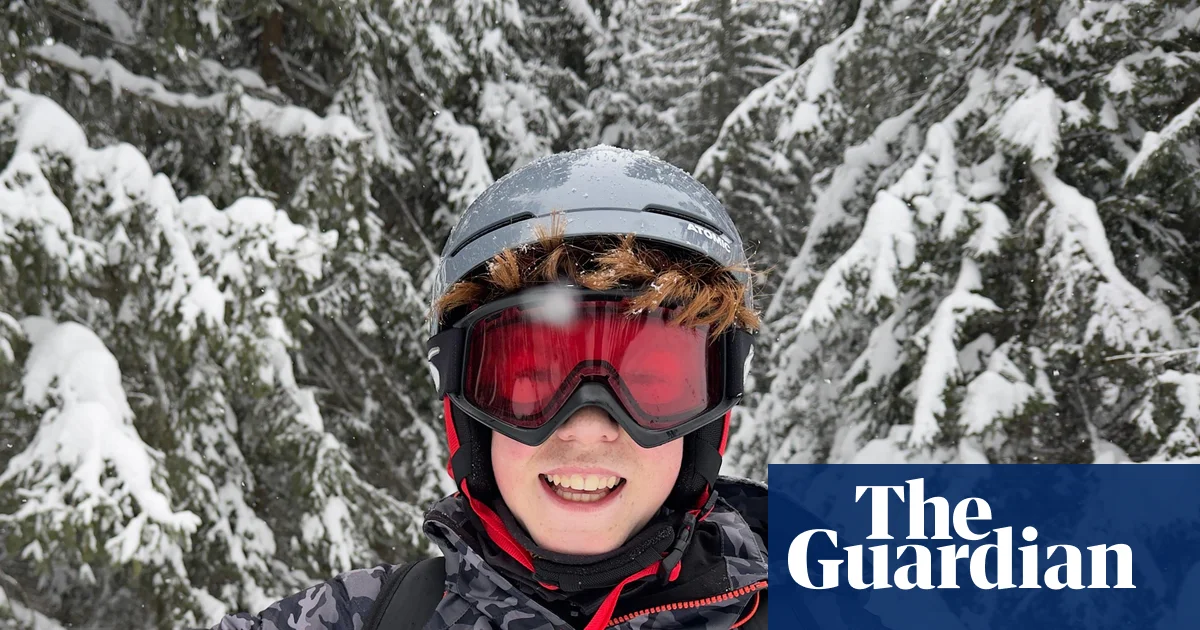
‘Want to come skiing in Austria at half-term?” I asked my 13-year-old son. “It’ll be just like one of those luxury chalet holidays, only we’ll make our own beds, cook our own dinners and carry our gear back to our accommodation ourselves.” Osian didn’t hear the caveats. “Sounds amazing,” he said, his eyes glazing to a cinematic sweep of white powder and the chance to perfect his 360.
For many families, the dream of a catered chalet – and its ready-lit fires, homemade strudels and chauffeured lift shuttles – remains just that. Apartments offer access to the slopes at less vertigo-inducing prices, but they tend to come with a minimum seven-night stay. If you only have a few days to spare, or a budget that won’t stretch to a full week’s lift pass, hotels fill the gap, but then you’re back navigating the moguls of cost.
Schruns in Austria’s Montafon valley has easy access to five ski-ing areas. Photograph: Andreas Haller
Instead, Osian and I were youth hostelling. I booked the last room available in the February school holidays at St Josefsheim, in the small western Austrian town of Schruns, and started scrolling Vinted for salopettes. Opened in December 2021 within a stately, blue-shuttered villa built in the early 1900s as a hospital and maternity facility,this is the first – and, so far, only – hostel in the Montafon ski area. Five minutes’ walk from the town’s railway station, and across the road from a bus stop, it is also, crucially, just two minutes’ ski-booted shuffle from a gondola station.
Above the ground-floor restaurant and bar are 13bedrooms and bunkrooms, some doubles, the others sleeping up to eight people incosy wooden sleeping pods. Although there is not, yet, any kind of communal games room or lounge, there is a shared kitchen and, in a playful homage to the building’s former function as a baby unit, a run of bathrooms tiled in pinks and blues.
The hostel operates a contactless self check-in system and early check-ins aren’t possible, so when we arrived on a lunchtime train from Zurich, we found ourselves unable even to leave our luggage until our allotted 3pm arrival time. Luckily, the restaurant manager, Christian, spotted us lurking on the steps and offered to watch our suitcases while we went off to explore the town and sort out ski hire.
Lower-key than many Austrian resorts, the five ski areas strung out along the Montafon valley, in Vorarlberg’s southern corner, are known for their snowsure pistes, all covered by the WildPass lift pass. This also gives access to the valley’s buses and trains,meaning it’s easy to hop between them to pick and mix your own slopeside schedule; Golm, in Vandans, is brilliant for younger children, with a new kindergarten and Golmi Land fun park, while Silvretta Montafon, directly above Schruns, is the largest ski area in the valley with 140km of marked runs. Access to all those pistes, and having almost everything you need within five minutes’ walk, makes Schruns a popular base for families – as does its restrained après-ski scene.
Cosy curtained sleeping pods in St Josefsheim hostel. Photograph: Winfried Heinze/Silvretta Montafon
Wandering back to St Josefsheim in the late afternoon, kitted out with skis, boots and helmets, we came across flotillas of sea-shantying sailors and choreographed human sunbeams dancing away the sky’s snow-clouded gloom in the town’s annual carnival celebrations.
Inside our twin room, however, it was less carnival and more cocoon. Roomy and bright, from door handle to flooring, nothing creaked or rattled. A cord strung between hooks either side of the main window, made a handy line for hanging damp clothes, and shoe racks in the corridors helped us maintain the wholesome spotlessness. Making up our beds with the cheery gingham bed linen provided, we unpacked our ski clothes into the room’s pristine pink lockers, then padded down to the communal kitchen for an early dinner.
With only two cooking stations, the kitchen can fill up quickly if everyone goes at the same time and, because it was carnival and most of the town’s restaurants were closed, everybody did. Osian and I squeezed on to a table with a German family, who told us this was their first time skiing from a youth hostel. “We like Schruns and usually book an apartment, but finding something for only a few days, which we wanted this time, is not so easy. This was an affordable alternative.”
The Golm ski area is great for families with younger children. Photograph: Mauritius Images/Alamy
Early next morning, we found the kitchen was already packed with families spooning muesli into bowls, slicing through local cheeses and sipping steaming coffees. Not us, though. Collecting our gear from the cellar’s ski room, we clomped across to the bus stop and took the five-minute journey to the Zamang lift to meet Natascha Zandveld, from the Silvretta Montafon ski company, heading up the slopes for breakfast at the newly renovated Kapellrestaurant. There, we filled up on scrambled eggs and bacon while soaking up the panorama of peaks and pistes beyond the floor-to-ceiling windows.
In summer, cows graze the mountainsides and Osian insisted he caught a whiff of hay on the lift up. “It’s a working farming community here rather than a resort,” Natascha told us. “Tourism in Montafon began with locals renting rooms in their homes to visitors prescribed alpine air by their doctors, and most hotels are still family-run.”
Snow clouds began to billow on the horizon, so we clipped in and set off while there was still a seam of sunlight above us. Our first run was a long, glorious blue, threading through towering pines. Sunlight spilt on to the snow between their trunks and when we stopped for hot chocolate, at Gasthaus Kropfen mountain hut, it was so warm on the terrace we peeled off our jackets.
The next day, we took the bus in the other direction, to Golm. The sky was awash with inkblot clouds, but the snow beneath our skis was as soft as whipped cream. Higher up it was hard to tell where the piste ended and the sky began, but on the lower slopes we snaked between fir trees slouched under the weight of snow, the forested tracks blissfully quiet early in the day. We refueled at Haus Matschwitz, a steam-fogged mountain chalet doing a fast trade in fluffy kaiserschmarrn (sweet pancakes cut into bitesized pieces) and jam roly poly-like germknödel.
Burning calories on the ski slopes of Montafon. Photograph: Silvretta Montafon
“Burn calories, not electricity,” a local sustainability initiative urged and we greedily obliged, carving squeaky powder all afternoon to make space for dinner back at St Josefsheim. Inside its bar, local people mingled with guests beneath a suspended vintage gondola cabin and there was a buzz in the restaurant, too, as we ordered plates of schweinsbraten (roast pork with caraway-laced bread dumplings) and pillowy keesknöpfli (Austrian mac’n’cheese).
On our final evening, we took another bus, to Garfrescha, to go night tobogganing. Snow fell thick and fast as a retro chairlift hauled us nearly 1,400m up the mountain before our sledges propelled us back downhill in a rush of giddy abandon. “This is amaaaazing!” whooped Osian, vanishing into the dark ahead of me, both of us convulsed with laughter.
Waiting for the bus at the bottom of the mountain, we looked up at the cluster of exclusive chalets above us, steam rising from their hot tubs and the sound of clinking glasses within. In taking local buses, joining the carnival crowds and talking to other travellers at St Josefsheim, we had felt more connected to this valley – and each other. That, it turned out, was the real luxury.
Former Ryanair flight attendant Eleanor has shared her top seating recommendations for passengers, including the best rows for extra space and which seats to avoid on your next flight
Liam McInerney Content Editor
07:00, 19 Mar 2026
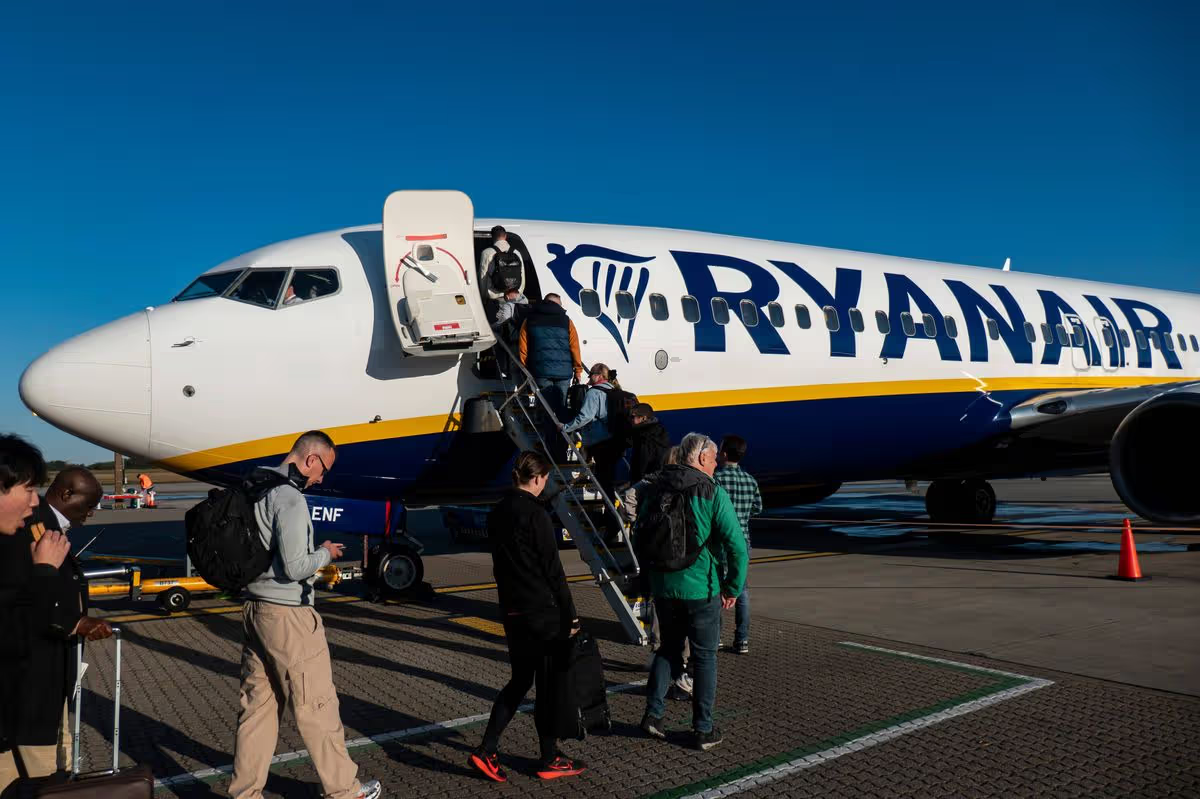
Ryanair passengers have been urged to book two specific rows (stock) (Image: NurPhoto, NurPhoto via Getty Images)
When reserving a flight with Ryanair, many of us will steer clear of selecting our own seat, primarily due to the extra charge. However, a former cabin crew member with the budget carrier has identified the best row to reserve if you’re seeking optimal space and comfort for a specific journey.
Eleanor was based in Marseille, France, and logged countless hours traversing the globe alongside her cabin crew colleagues. She has now highlighted the seats that could enhance your trip considerably.
Speaking to us about her top travel tips, she explained: “I would say usually it’s better to sit at the emergency exits in the middle of the aircraft, usually around row 17 for safety reasons.
“You have more space and also because children under 16 can’t sit at the emergency exits and infants under two can’t even be in the two rows before and ahead of the emergency exits. So these and row 1 are basically the only seats where you can be sure you won’t be spending your flight with crying babies next to you.”
Nevertheless, while row 17 might be the most tranquil, according to Eleanor, there are particular seats passengers may also want to steer clear of.
The content creator, 25, revealed to us: “I can only say to avoid 11A. That’s supposed to be a window seat – but it doesn’t have a window! You won’t be able to see outside.”
This seat has previously been labelled “Europe’s most hated” because it’s notorious for being the sole ‘A’ seat on a Boeing 747 that lacks a window to peer through. And having urged travellers to reserve row 17, she also pointed out the row that might be worth avoiding.
She elaborated: “Also avoid row 32 on the 737 MAX, an aircraft that Ryanair has only in some bases. That has emergency exits at the wings, and a crew seat near them that faces the passengers.
“So, if you sit in that row, you’ll have the flight attendant stare at you during take off and landing, and you’ll have to move every time they have to pass. It was very uncomfortable as a flight attendant, I imagine it is as a passenger also.”
She emphasised that securing your seat on Ryanair wasn’t absolutely critical, especially since flights are generally brief and there’s no complimentary meal service, which means your location won’t determine whether you’re served first or last, as it might on other carriers.
The Italian ex-Ryanair employee said it ultimately boiled down to individual preference but she did provide one final recommendation.
She stated: “Another thing I can say is to avoid sitting at the rear of the aircraft, mostly because sometimes, although not often with Ryanair, only in some airports, you will have a bridge from the front and you’ll be the last one to disembark if you’re sitting at the back.
“And also because in case of ditching (controlled emergency landing onto water), that’s the first part that goes in the water, and you won’t be able to open the doors at the back, so you’re less likely to make it in case of a landing in water.”
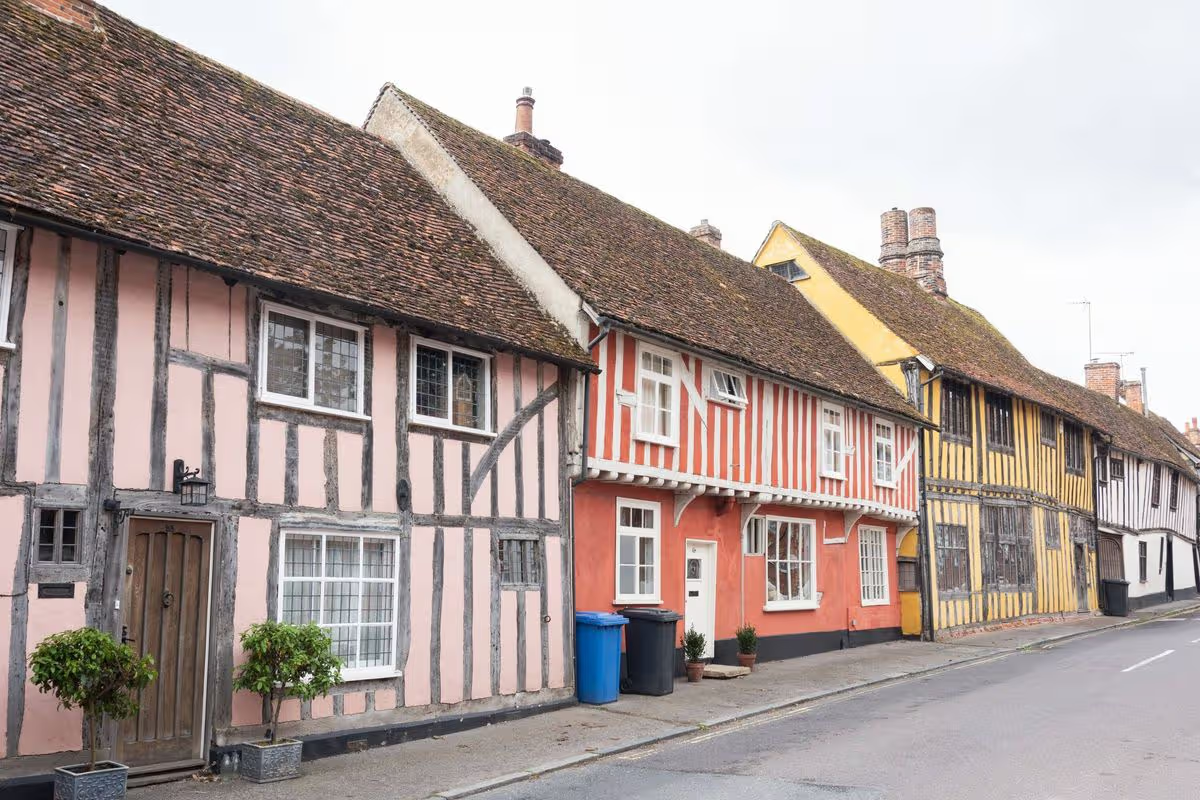
Lavenham in Suffolk is home to over 300 preserved Tudor houses and charming timber-framed buildings – and was used as the filming location for Godric’s Hollow in Harry Potter and the Deathly Hallows
It was once of the wealthiest areas in the country(Image: Getty)
Tucked away in Suffolk lies a remarkably well-preserved village, famed for its collection of over 300 Tudor houses, instantly recognisable by their timber-framed design.
During England’s Tudor period, this very village was among the country’s most affluent areas, but today it serves as a living museum for history enthusiasts and tourists seeking a glimpse into the past.
Lavenham is the quintessential ‘higgledy-piggledy village’, boasting a variety of architectural styles, but it’s the Tudor buildings that truly set it apart.
So much so, that hundreds of its structures are listed and thus protected to maintain their original appearance, whilst the National Trust owns some of its most significant sites, renowned for their historical importance within the village.
Best UK holiday cottage deals
This article contains affiliate links, we will receive a commission on any sales we generate from it. Learn more
Sykes Cottages offers a wide range of handpicked holiday homes across the UK and Ireland, from cosy countryside retreats to stunning coastal escapes. Prices start from £27 per night
The area’s grandiose atmosphere is rooted in the village’s wool trade history, as it gained fame for producing high-quality lavender blue broadcloth.
However, when the trade declined in the 17th century, there were no attempts to rebuild; instead, efforts were focused on preserving what already existed.
Historic Buildings
Among these stunning structures stands a 15th-century Tudor building located on Main Street, known as the Crooked House.
This particular spot inspired the well-known nursery rhyme There Was A Crooked Man, and much like the Leaning Tower of Pisa, its upper section exhibits a noticeable tilt.
Dating back to 1395, this stunning edifice, now adorned in a vibrant orange hue, is owned by two ‘crooked men’, husbands Alex and Oli.
Visitors are invited to explore the interior and receive a warm greeting from its owners, complete with a guided tour of its captivating rooms.
In addition, the village is home to the Lavenham Guildhall, currently under the stewardship of the National Trust, and serves as a showcase for local history.
This bewitching structure sits at the very heart of the village and has functioned as a community hub throughout its 500-year existence, assuming new roles and changing hands over time.
A recent guest shared on TripAdvisor: “Was very impressed with our visit to this NT property. Instead of being stuffed with display cases full of historic relics, the approach here is to set up the Guildhall how it would have been used through its history and have minimal information boards and artefacts that support and demonstrate that approach.
“But the real stars here are the volunteer guides, and all three who were working the different rooms at the time we visited had fantastic knowledge that could bring the building to life.”
Harry Potter
Already famous in its own right, Lavenham elevated its status when it featured on the silver screen as the filming location for Godric’s Hollow in Harry Potter and the Deathly Hallows Part 1.
The idyllic setting portrayed the location of Harry’s parents’ graves in the film. In a poignant and memorable scene in the movie, he and Hermione visit the village on Christmas Eve.
De Vere House served as the exterior of the Potters’ ruined home, which was later modified for the screen using computer-generated imagery. The Guildhall was also utilised, depicted as the abandoned house sitting in the backdrop of the village.
The already serene village gained an added sense of tranquillity when it was blanketed by a thin layer of snow as the two characters strolled down its Main Street.
However, it is widely understood that the Hollywood actors themselves did not actually set foot in Lavenham and were instead superimposed onto the village’s backdrop after filming in a studio.
If you’re looking for destinations for a May half-term break that are perfect for families and not too far away, then this island often compared to the Caribbean could be one for your shortlist
This article contains affiliate links, we will receive a commission on any sales we generate from it. Learn more
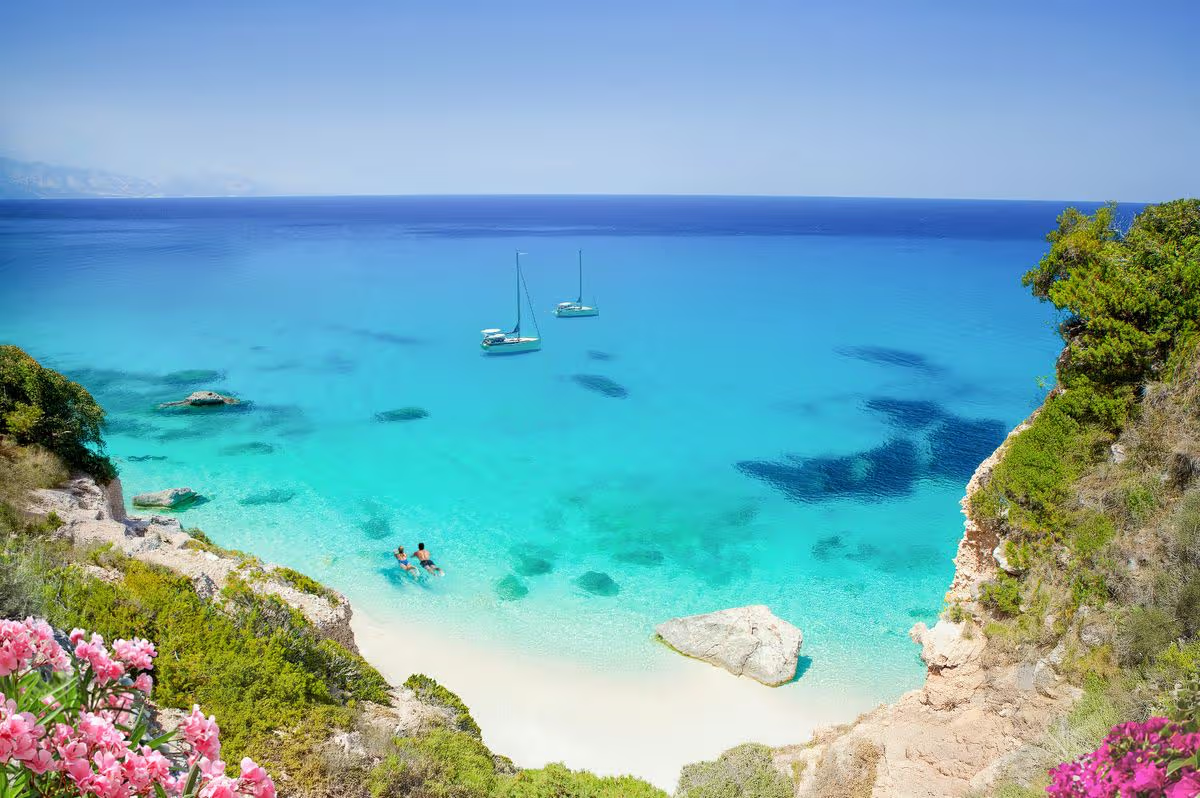
The island has been nicknamed the ‘Caribbean of Europe’(Image: Getty Images)
Finding the perfect family holiday destination can be tricky. You want somewhere with amazing beaches and natural beauty, but at the same time, you need to be practical and ensure you pick somewhere easy to travel to and in your budget.
Recently, easyJet released a new Family Holiday Index, its way of ranking the top holiday destinations for people travelling with children based on a number of factors. These include the logistics of travelling to the destination, beach and water access, cost, and the number of family activities on offer.
Using this information, it was able to compile a top ten ranking of family holiday destinations, and unsurprisingly, Spanish destinations took six out of the ten spots. However, ranking at number six was an Italian island that has been dubbed the ‘Caribbean of Europe’ thanks to its spectacular beaches and unspoilt scenery.
Sardinia scored highly as a family destination thanks to its huge selection of beaches, family activities, and easy accessibility from the UK. The island has two main air hubs: Cagliari Elmas Airport in the south which is the largest and Olbia Costa Smeralda Airport in the north which is popular in the summer. EasyJet offers seasonal services to Olbia from Bristol, Edinburgh, London-Gatwick, and London-Luton. If you’re planning to fly to Cagliari from the UK, there are routes available on Ryanair and British Airways.
Sardinia flights on easyJet start from just £35.60 one way in May, and flights to the island take from two-and-a-half to three hours, making them bearable for most kids. You can also book Sardinia holidays with easyJet Holidays, with a package for four staying in a quadruple room in Borgo di Campagna, departing May 8, coming in at £340 per person. You can also save another £100 off the total package cost by using code SPRINGSALE at checkout.
Spiaggia La Pelosa is considered one of the island’s best beaches and it’s perfect for families. Its shores are covered in soft white sand, although some of the scenery is a little rocky, and the sea is a vibrant shade of turquoise and usually has only gentle waves. You can walk far from shore and still only be up to your knees in the clear blue waters, so it’s perfect for kids who like to paddle and splash around.
Unlike many overcrowded beaches, access to La Pelosa is tightly controlled during the summer from June 1 and October 1. Visitors need to book a spot in advance, and there’s an entry fee of €3.50 per person for over 12s (just over £3). However, this ensures you aren’t fighting the crowds to find a spot.
The Costa Smeralda offers a choice of beaches along a 35-mile stretch of coast in the north-east of the island. It’s a glamorous spot where you’ll often see superyachts coming into dock, and here you’ll find lots of upscale resorts with fine dining and designer shops.
Kids who love to swim will enjoy a boat trip to La Maddalena Archipelago, a National Park made up of seven tiny islands that can only be reached via boat. Many tour operators offer full-day boat tours where you can visit multiple islands, as well as stopping in the middle of the turquoise Med so you can dive straight into the ocean for a swim or snorkel.
If you have a kid who’s a budding history buff then Sardinia is full of interesting ancient sites to explore. Su Nuraxi di Barumini is the remains of a Bronze Age defensive complex, and has structures dating back thousands of years. Cagliari’s Castello sits on top of a hill and is full of ancient buildings, museums, and historic sites.
Kids who are studying the Roman Empire in school will particularly love a tour of the Roman Amphitheatre of Cagliari, where they can hear gory tales of fights to the death between gladiators or men vs wild beasts. It was also where many public executions were carried out and became the most important buildings in ancient Cagliari.
Sardinian food is also generally kid-friendly and even picky eaters are likely to find something they like. During the day, look out for street food vendors selling Spianadina, traditional flatbreads often filled with cheese and ham for a simple lunch. In the evening, there are plenty of cosy, authentic restaurants to choose from where kids can enjoy wood-fired pizza and fresh pasta.
EasyJet and easyJet Holidays Family Holiday Index – Full rankings
Palma de Mallorca, Spain
Algarve (Faro), Portugal
Costa del Sol (Málaga), Spain
Costa Blanca (Alicante), Spain
Lanzarote, Spain
Sardinia, Italy
Crete, Greece
Ibiza, Spain
Barcelona Coast, Spain
Dubrovnik Coast, Croatia
Have a story you want to share? Email us at webtravel@reachplc.com
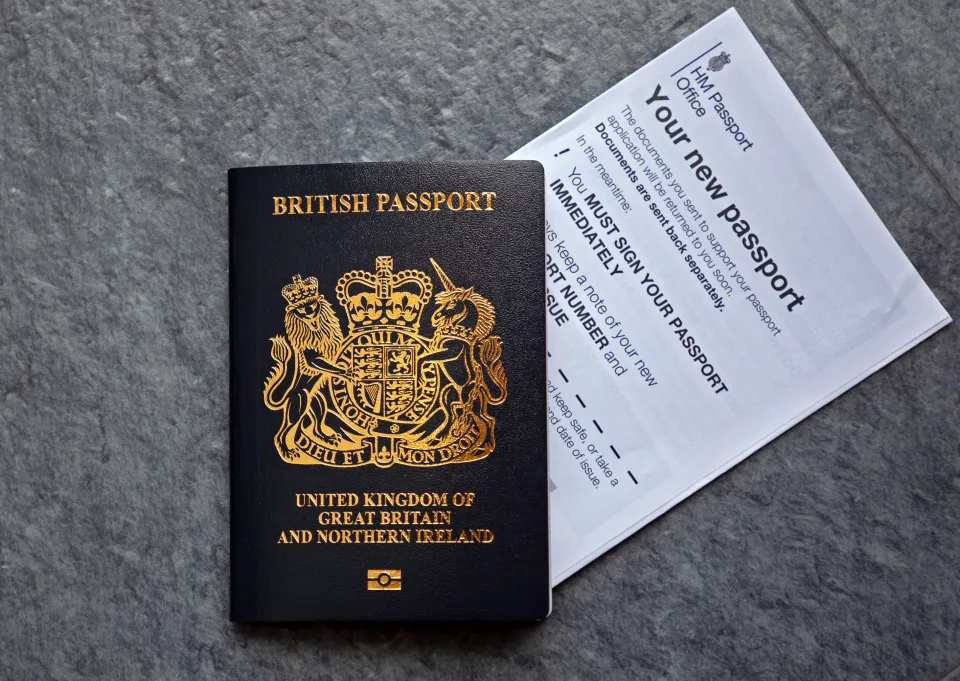
BRITS applying for a new standard passport will be charged more than £100 for the first time ever.
The fee for online applications for adults within the UK will rise on April 8 from £94.50 to £102.
Sign up for the Travel newsletter
Thank you!
Passport fees will rise from April 8
Holidaymakers looking to renew their passport before the summer holiday rush will be stung unless they get their bid in soon.
The Home Office says the hike is to “move towards a system that meets its costs through those who use it, reducing reliance on funding from general taxation.”.
But it will likely spark a backlash for putting up prices as many families face the pinch in a cost of living crisis.
The standard fee for kids will rise from £61.50 to £66.50.
Postal applications will increase from £107 to £115.50 for adults and £74 to £80 for children.
The charge for a next-day premium service made from within the UK will rise from £222 to £239.50.
The Home Office said: “The fees contribute to the cost of processing passport applications, consular support overseas, including for lost or stolen passports, and the cost of processing British citizens at UK borders.
“In 2025, where no further information was required, 99.7 per cent of standard applications from the UK were processed within three weeks.”
THE UK’s busiest and largest airport is launching a number of new routes over the coming months.
Last year, London Heathrow Airport saw around 84.5million passengers and is expecting to break the 85million mark this year.
Sign up for the Travel newsletter
Thank you!
London Heathrow Airport has a number of new routes launching over the next couple monthsCredit: AlamyThese include Tivat in Montenegro (pictured) and St Louis in AmericaCredit: Alamy
And this spring and summer, the world’s most connected airport is launching several new routes.
Dubbed America’s ‘gateway to the west’, the route will be launching as the famous Route 66 celebrates its 100th anniversary.
The stretch of Route 66 in St Louis, called ‘The Mother Road’ goes past landmarks including the Gateway Arch, the Old Chain of Rocks Bridge and Ted Drewes Frozen Custard.
Winding through the city, drivers on the route can stop off at neon-lit diners and a number of roadside attractions including the Route 66 Rocker – a massive 12.8metre-tall rocking chair.
The Guernsey route will then operate daily, also from Terminal 5, and cost from £101 return per person.
The new connection means that Guernsey residents will now more easily be able to travel across the globe by flying from Heathrow.
Guernsey is the largest of the Channel Islands and is known for having a mix of French and British culture.
One top spot to see is St Peter Port, a pretty harbour with charming houses.
As for the route to Tivat in Montenegro – this will launch on May 14, from Terminal 3 and cost from £172 return per person.
British Airways will be launching a route to Guernsey, creating a better connection for the island to international destinationsCredit: AlamyRecently named the most under-the-radar country, there will be new British Airways flights to MontenegroCredit: Alamy
Montenegro was recently named one of the most under-the-radar countries in the world, according to US News.
Tivat is found on the coast in the UNESCO-listed Bay of Kotor and features a large marina full of luxury yachts and pretty beaches such as Plaza Ponta.
Heathrow is also dubbing Tivat “one of Europe’s trendiest summer hotspots” thanks to its Adriatic scenery and offering travellers the perfect blend of sun, adventure and culture.
Low-cost Spanish airline Vueling will be launching a new daily service to Seville on March 29.
The route will operate from Terminal 4 and cost from £36 one-way, per person.
Spain is always popular with Brits and Seville is no exception.
The historic Andalusian city is great for both families and weekend city breaks with historic sites including the Cathedral – which is the largest Gothic temple in Europe – with La Giralda tower which has amazing views of the city.
Low-cost Spanish airline, Vueling, will be launching a route to SevilleCredit: AlamyThe city is home to the largest Gothic temple in EuropeCredit: Alamy
For a pretty souvenir, head to the Triana Neighborhood which is the historic district of the city and is known for its ceramics.
Another European route launching on the same day will be to Rome Fiumicino in Italy, with ITA Airways.
There will be two flights each day, operating from Terminal 2 costing from £138.24 return per person and the airport is about a half-an-hour drive from the city.
Rome, the capital of Italy, boasts several famous historical sites including the Trevi Fountain, the Colosseum, and the Pantheon.
And whilst you are in the city, you can even head to another country – Vatican City – where you can see St. Peter’s Basilica, the Vatican Museums and Michelangelo’s masterpiece in the Sistine Chapel.
ITA Airways will be launching a route to Rome Fiumicino – just 30 minutes from the capitalCredit: Alamy
A second US route launching soon will be to Seattle with Alaska Airlines.
Starting on May 22, the route will operate daily from Terminal 3 and cost from £523.04 return per person.
Seattle is one of America’s fastest-growing tech hubs and notable landmarks include the Space Needle observation tower and the Olympic Sculpture Park.
Foodies can also visit Chinatown, which is also home to the only pan-Asian art and history museum in America.
Pakistan International Airlines will also be launching two new routes by the end of March, marking the airline’s return to Heathrow after six years.
The first will be to Islamabad, the capital of Pakistan, on March 29, operating three times a week from Terminal 4, with return fares costing from £764.
The second route will be to Lahore, which is the second largest city in Pakistan.
The route will launch a weekly service on March 30, from Terminal 4.
And Alaska Airlines is launching a route to Seattle in AmericaCredit: Alamy
There are several travel warnings in place for Pakistan, so it is worth checking the Foreign, Commonwealth and Development Office travel advice before travelling.
Ross Baker, Heathrow’s Chief Customer Officer, said: “Every route launched from Heathrow gives passengers and businesses a new way to explore the world.
“Whether travelling for work or leisure, we are proud to collaborate with our airline partners to open up opportunities for passengers, exporters and importers.
“Greater connectivity is something passengers and businesses consistently say they want, which is why Heathrow expansion is so critical.
“It will add new routes and introduce more choice.
“Our plans will ensure the country gets the infrastructure it needs to stay competitive, connecting the whole of the UK to global growth.”
The country welcomed 400,000 Brits in 2025, and now the government has updated its travel advice for the country and have highlighted some issues that tourists visiting the area might face
400,000 Brits visited this beautiful country last year(Image: Getty Images/iStockphoto)
The Foreign, Commonwealth and Development Office (FCDO) has issued a travel warning for a destination that’s popular with Brits and updated some of its advice for those visiting the country. This included a stark warning about a particular tourist attraction that has become increasingly dangerous.
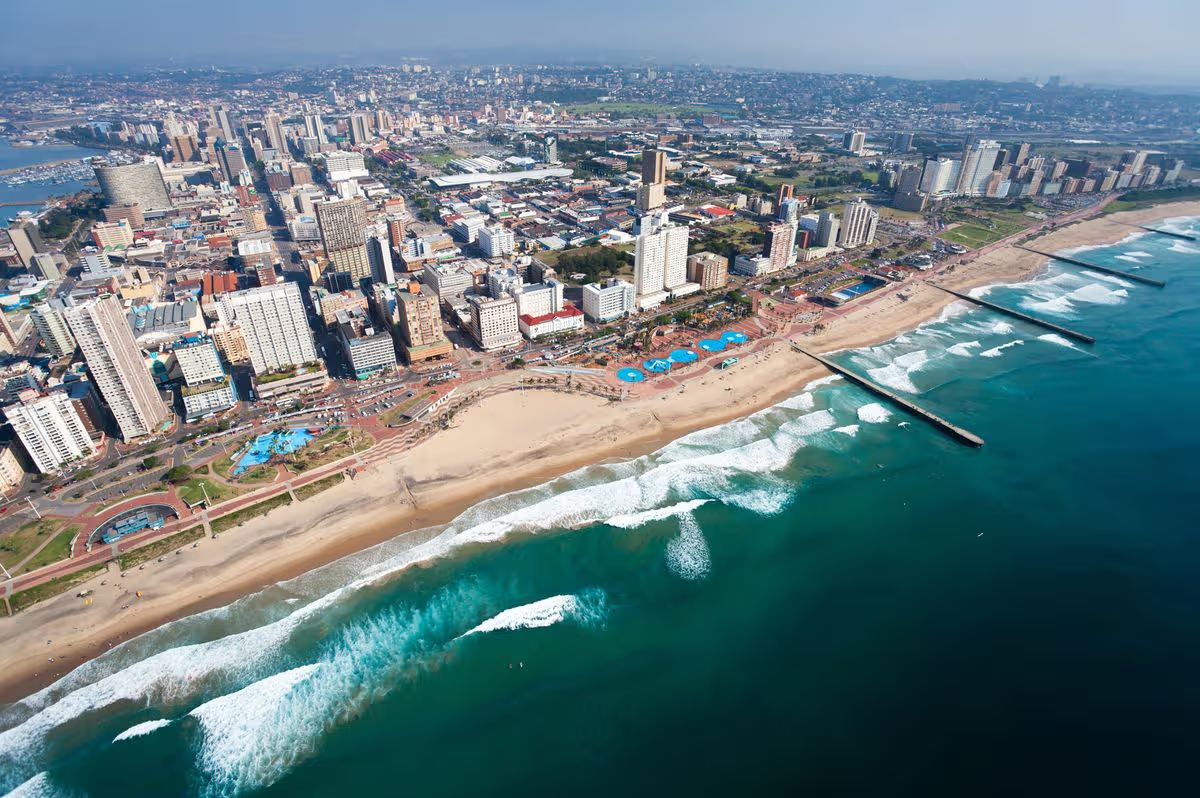
South Africa saw 400,000 visitors arrive from the UK in the past year alone, and the FCDO has previously said it is ‘likely’ that terrorists could try to carry out attacks such as a ‘lone actor’ attacking public spaces including tourist sites. Its advice for tourists is to: “Stay aware of your surroundings, keep up to date with local media reports and follow the advice of local authorities.”
However, it’s worth noting that many countries have similar advice around terror attacks, and that the FCDO is careful to state that “No travel can be guaranteed safe.” Recently, the FCDO updated the advice for those visiting South Africa to add some new warnings on fraud and scams and other risks.
It reiterated: “Be alert to the risk of scams, including through business or job opportunities, visa services or offers of romance and friendships, including on dating apps. Do not meet up with or send money to someone you do not know or have not met in person.”
It warned of the risks of common scams like card skimming and confidence tricks, and said there had been an increase in cybercrime and internet scamming. The FCDO also updated its advice about nightlife and dating, saying: “Criminals use dating apps to rob, rape or sexually assault victims. Be cautious using dating apps and meet in well-lit, public places. Always tell friends or family your plans.
“Be wary when dealing with strangers who offer free drinks, rides or unexpected personal attention. There have been instances of drink spiking involving robbery and sexual assault with both male and female victims. If you think your drink has been spiked, seek immediate medical help and contact the police.”
The FCDO has also offered advice for those planning to hire a car in South Africa and said that visiting Brits should drive carefully. It added: “Driving standards vary in South Africa. Fatal road accidents are common, particularly around weekends and major public holidays.” Brits should also make themselves familiar with local rules and etiquette such as speed limits and overtaking.
Another section of the page that was update gave specific advice about Table Mountain National Park. The area is a popular tourist attraction for hikers and cyclists, and has many unique plants and trees that can’t be found anywhere else in the world. However, the FCDO says: “There have been recent violent attacks and muggings against hikers and foreign tourists in Table Mountain National Park, including on Lion’s Head and Signal Hill.”
It gave some advice to people planning a trip to the national park, advising them to avoid quieter areas, especially during early mornings and evenings when there won’t be many fellow hikers around. Visitors should stay on busy, marked trails, and visit during peak times such as weekends.
Finally, the FCDO advised people not to hike alone in the area.
Anyone planning a trip to South Africa in the near future should ensure they check the FCDO advice page before they leave, and sign up for e-mail alerts so they can be notified when any changes are made.
Have a story you want to share? Email us at webtravel@reachplc.com
A ‘stylish Spanish’ city that is packed with ‘character’, has been recommended by a TUI travel expert for a serene escape with sprawling beaches and seawater pools
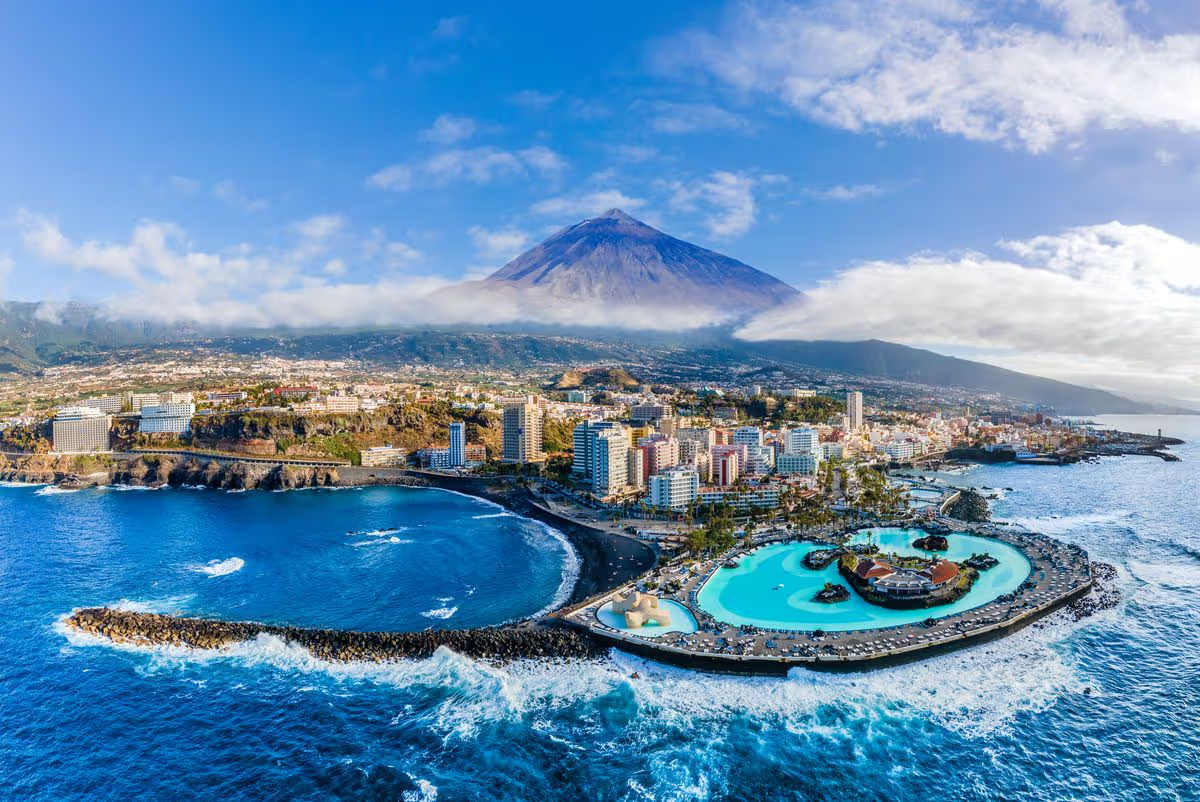
A TUI travel expert has hailed a Tenerife city as a must-visit (Image: Getty Images)
It’s not easy finding the right destination for that sun-soaked getaway, but a travel expert highly recommends a vibrant city in Tenerife, where you can grab a bottle of wine for around £5 and bask in the balmy 24C in April.
TUI travel advisor, Natasha Mooney, has booked holidays to Tenerife for more than a decade and lives there part-time with her husband, Javier, who hails from the Spanish island.
“I’ve been a TUI travel advisor for 10 years, now working as a homeworking retail expert. Javi and I split our time between the UK and Güímar in northern Tenerife, so I can genuinely call it my speciality,” Natasha said.
As a Tenerife expert, Natasha certainly knows a thing or two about where to go, particularly for those looking to ditch the crowds and opt for a quieter escape. One destination that Natasha can’t recommend more is the coastal city of Puerto de la Cruz, with its incredible seawater pools, black-sand beaches, a charming harbour and historic old town.
“This is Tenerife at its most authentic,” the expert explains. “Puerto de la Cruz, on the north coast, is the place I recommend for travellers who want a stylish but genuinely Spanish experience. There’s a relaxed elegance to it. A pretty harbour, historic streets, colonial-style restaurants serving modern Canarian cuisine, and cocktail bars with live music.”
The city offers that desirable beach escape, alongside a town bursting with character, eateries, and cafés, against its colourful architecture and vibrant Spanish atmosphere. Adding to its allure is the promise of blistering rays of up to 24C in April.
One of the city’s most striking features is the iconic saltwater pool complex, Lago Martiánez, designed by Canarian architect César Manrique. The outdoor interconnected pools, with four for adults and three for children, are filled with Atlantic water, framed by volcanic rock and palm trees.
It’s been beautifully designed to incorporate natural elements against the backdrop of the rugged terrain of the striking volcano, Mount Teid, alongside views of the sea, for a spectacular day spent in the basking heat. There are plenty of terraces and sun loungers with umbrellas dotted around the leisure complex for extra comfort, along with kiosks and restaurants for a bite to eat.
Of course, there are plenty of beaches to uncover in the area, with Playa Jardín, Playa Martianez and Playa del Castillo, all with their striking black sand and blue waters for an inviting dip. The city itself is packed with character from its Puerto Street Art Project, where vibrant artwork lines the street, to the art installation of the Agatha Christie Steps, with printed titles of her most famous books.
There are botanical gardens, including Sitio Litre Garden, to wander around during a leisurely afternoon, along with colourful streets lined with bars offering drinks al fresco. Natasha noted that visitors could even bag themselves a bottle of wine for a mere £5, and advised holidaymakers to look out for Listán Blanco or Malvasía whites and Listán Negro reds.
“You’ll often find good bottles in local restaurants and shops from around €6–€10 (£5.19 to £8.60). It’s a brilliant way to taste the island for very little money,” she explained.
The food scene is another highlight across Tenerife, as Natasha said: “Tenerife has Michelin-starred restaurants, but most visitors fall in love with the guachinches. They’re family-run eateries serving traditional Canarian food with their own local wine. They’re always authentic and very affordable too.”
If you’re tempted by a trip to Puerto de la Cruz, you can grab a flight from London Stansted to Tenerife from as little as £18 one-way. There are also affordable flights from Birmingham, Bristol, Glasgow and various UK airports, making it even easier to jet off to this charming coastal city.
TUI also offers a seven-night package at Hotel Rui Garoe from £634 per person, based on two adults sharing on a half-board basis. It includes travel from Birmingham Airport on Tuesday, 28 April with TUI Airways, along with overseas transfers, 10kg of cabin luggage, and a 20kg checked-in bag.
Do you have a travel story to share? Email webtravel@reachplc.com
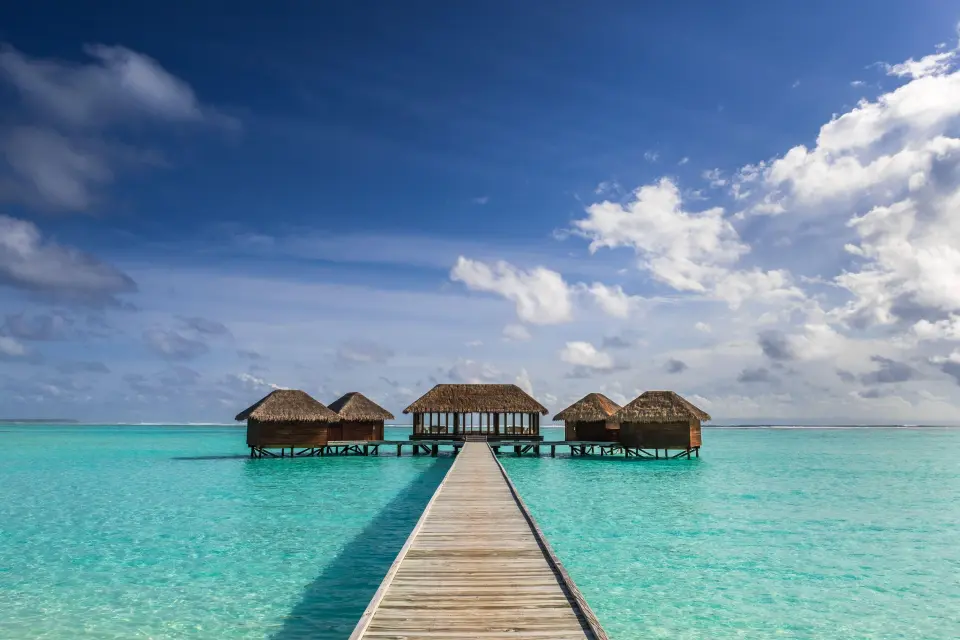
A stunning over-water spa at the Conrad by Hilton hotel, with room for text, in the MaldivesCredit: Alamy
THE average Brit has enjoyed three ‘holidays of a lifetime’ – with Maldives, Tokyo and the Great Barrier Reef among top destinations.
Previously considered something taken once in everyone’s life, Brits are finding new ways to make travel a priority with 46 per cent believing dream trips are more achievable than 10 years ago.
Sign up for the Travel newsletter
Thank you!
Akihabara in Tokyo, JapanCredit: AlamyAerial view of Lady Elliot Island, the southern most island in the Great Barrier Reef of the coast of AustraliaCredit: Alamy
The poll of 2,000 adults found stunning natural scenery (50 per cent) and luxury accommodation (45 per cent) are the top criteria for making somewhere a holiday of a lifetime.
And 71 per cent have used loyalty points to help them book a trip that would previously have been out of reach.
The research comes as Virgin Red releases its fourth annual report, The Points Index, ‘Living the Dream Holiday’, revealing the shift in how the nation values loyalty points in a bid to unlock ‘once-in-a-lifetime’ holidays.
Data from the firm showed that in 2025, adults were using reward points to attain these trips, with 31.2 billion points redeemed across its travel experiences, marking a 13 per cent year-on-year increase.
In the UK, point-spending peaks are in May and July and highest in September, potentially coinciding with back-to-school fatigue.
The survey also found 21 per cent who might book a big trip, would do so to celebrate a milestone birthday.
A third (34 per cent) are currently in the midst of planning a big holiday, with 39 per cent prioritising beach and relaxation holidays abroad – and only 19 per cent opting for shorter getaways.
Other key elements of a once in a lifetime trip include exceptional food and drink (40 per cent) and experiences unique to the region’s culture (38 per cent).
Of those who took part in the study by OnePoll.com, nearly three quarters (74 per cent) have paid for either part, or the full price of a flight with loyalty points, while 29 per cent have used points to upgrade flights.
Andrea Burchett, chief loyalty officer at Virgin Red, said: “Loyalty is fundamentally reshaping how consumers think about travel.
“Trips once seen as ‘once in a lifetime’ are becoming achievable, as consumers increasingly treat points as a strategic currency.
“Even amid economic uncertainty, points are helping consumers prioritise meaningful travel, loyalty is helping make it possible.”
TOP 10 ‘HOLIDAY OF A LIFETIME’ DESTINATIONS – ACCORDING TO BRITS:
The Great Barrier Reef, Australia
Maldives
Tokyo, Japan
Hawaii, USA
Sydney, Australia
The Amazon Rainforest, Brazil
The Galápagos Islands, Ecuador
Machu Picchu, Peru
New York City, USA
Seychelles
The average Brit has enjoyed three ‘holidays of a lifetime’Credit: Alamy
IF you want a cheaper alternative theme park in Europe, then there’s one letting kids go free until summer.
Parc Astérix is a theme park in Plailly, France, based on the famous comic book series.
Sign up for the Travel newsletter
Thank you!
Parc Asterix in France is offering free entry for kids until this summerCredit: AlamyTickets for children usually cost €53 (£45.81) each, so for a family of four it would be a saving of €106 (£91.62)Credit: AlamyThe theme park is based on a comic book series and has over 50 attractions across six worldCredit: Alamy
The theme park has over 50 attractions across six themed worlds like the Roman Empire, Greece and the Vikings.
And until May 7, the park is offering free admission to children under 12 years old.
The offer is valid from Monday to Friday for online bookings and must be booked with a dated adult ticket.
Tickets for children usually cost €53 (£45.81) each, so for a family of four it would be a saving of €106 (£91.62).
Adult tickets cost €56 (£48.40) each, when booked seven days in advance.
The park is open from 10am to 7pm each day, so it includes nine hours of fun.
But save your visit until next month if you want to see the new reinvented Egypt zone, which opens on April 4.
The zone is themed around Cleopatra and the Egyptian gods, with visitors able to immerse themselves in an Egyptian world.
The former Oxygénarium water raft ride has become The Descent of the Nile, with new theming to seem like you are cruising down the River Nile.
The Flying Chairs ride has now become The Flight of Ibis, where visitors swoop over the water garden, 10metres above the ground.
The ride also features water jets, greenery and themed decor.
The Egyptian zone is also home to the new dining experience, Les Fastes du Nil, which is a fast-food restaurant.
A new buffet restaurant called Épidemaïs’ Counter, with a range of Middle Eastern-inspired dishes, which will also open in June.
On April 4, the park will also open a reinvented Egypt zoneCredit: Parc Astérix
And launching this spring, there will be a new show called Cleopatra’s Gift – where she and her courtesans bring the OzIris esplanade to life with dance, music and guests interactions.
The refreshed zone is just part of Parc Astérix’ £218million makeover, due to be completed by 2030.
In 2028, the park will open a new British-themed land called Londinium.
In the land there will be an immersive roller coaster, an interactive family dark ride, a vertical playground, a pub and shops.
The park will open its fourth hotel as well, called The Odyssée Hotel which will feature 300 rooms and open in 2027.
There are currently three hotels at the park including Les Quais de Lutèce with 150 rooms in Gaul-inspired buildings.
There’s then La Cité Suspendue, which is Celtic-themed and made up of three ‘hamlets’ – potters, artists and druids.
In the zone, two rides have been completely rethemed including one that makes you feel as if you are floating on the River NileCredit: Parc Astérix
And finally, the Les Trois Hiboux hotel is located in the forest.
Guests staying in the hotels get exclusive access to the attractions 30 minutes before they open to the public.
Also in 2027, the park will open a renovated Greek zone with two new family attractions, a playground and a restaurant.
The theme park is just 21 miles from Paris and whilst it is smaller than Disneyland Paris, it is cheaper to visit with Disneyland Paris tickets for this month costing from £80 per person.
Previous guests have raved about it too, with one writing: “I say it from the start: better than Disneyland!”
Another said: “We were counting and we did 35 rides each every day. If you are a theme park junkie then I would recommend it wholeheartedly.”
A third commented: “This park was a real discovery for me and my grown-up children who have been used to Disneyland for years.
“A warm atmosphere, sets worthy of movie studios, varied shows of high quality and attentive staff.”
In other theme park news, there’s a futuristic theme park just two hours from the UK that has been named one of the best in Europe – with an ‘Avatar-like’ waterpark.
He has just returned from the UAE with crucial advice
The war in the Middle East is having a major knock-on effect on international travel(Image: NurPhoto via Getty Images)
A travel expert has issued a warning to individuals with flights booked to or from the Middle East. The alert comes as tensions continue in the area, with Israel and the US maintaining their strikes on Iran which commenced over a fortnight ago.
Iran continues to hit back with drone and missile attacks on several neighbouring and nearby nations. This resulted in Dubai, a major hub for international travel and home to the world’s busiest airport, temporarily closing its airspace for the second time in 48 hours due to strikes in the vicinity.
Simon Calder, a journalist with the Independent, has just returned from the United Arab Emirates. He provided an update on the current situation for those flying to or from the Middle East, including passengers transiting through the region en route to other destinations.
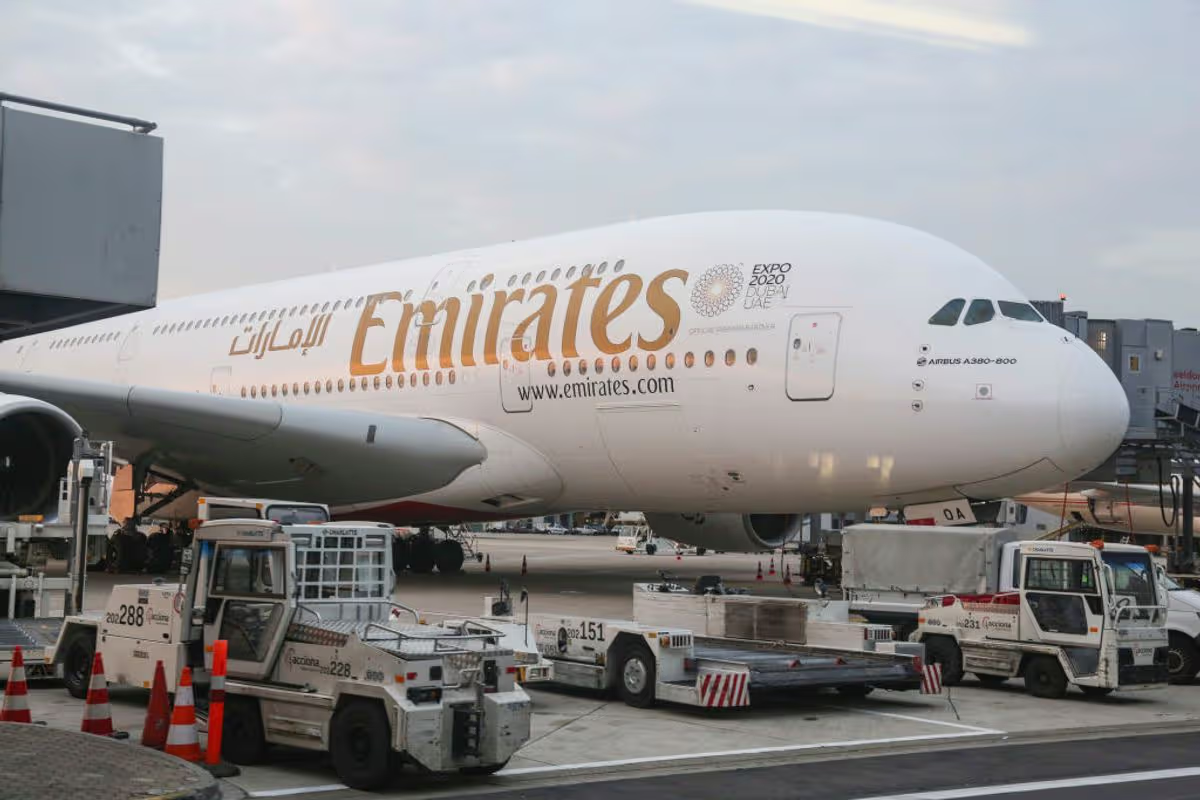
He stated: “I’ve just arrived at London Heathrow Terminal 4 after a fairly normal flight from Abu Dhabi on Etihad. What wasn’t normal was just how quiet it was when I arrived. Terminal 4, the main hub for the Middle East from London, is frankly a bit of a ghost town. Many of the flights that you would normally expect to see multiple departures on Qatar Airways to Doha and on Etihad to Abu Dhabi are not flying, and there’s also, for instance, Gulf Air based in Bahrain who are not going there.
Content cannot be displayed without consent
“Having said that, there’s perhaps more flights than you might expect, given that, for example, Qatar and the UAE are on the Foreign Office no-go list. There’s a departure this evening to Abu Dhabi on Etihad and one a little later on Qatar Airways overnight to Doha. As well as that, El Al is going out to Tel Aviv. Now, you might have heard that the airspace in Israel is closed; well, it kind of is, but if you’ve got permission, and El Al certainly has, then you can go in.
“And finally, Gulf Air is flying from here later on today, but not to the normal destination of Bahrain. Instead, it’s going to Dammam, which is very close by in Saudi Arabia, from where passengers can travel to that island quite happily over the causeway. But bear in mind that the UAE, Qatar, Kuwait, and Bahrain are all on the Foreign Office no-go list. If you choose to ignore that advice, then it’s likely your travel insurance will not be valid.
Unsurprisingly, the conflict has impacted international travel in numerous ways. Not only have passenger numbers and flights passing through the Middle East declined dramatically, but neighbouring countries favoured by Brits seeking spring sunshine, including Cyprus and Turkey, have also experienced a fall in visitor numbers.
Conversely, nations to the west boasting milder weather, including Spain and Portugal, have witnessed a surge in reservations – as has the Caribbean. The situation has not only left thousands of British holidaymakers stuck in the Middle East, but many are also anxious about their upcoming travel arrangements.
The Association of British Insurers attempted to address these worries with the following statement when questioned about whether insurance will cover the cancellation of a trip to the Middle East due to concerns over the conflict.
It stated: “As the situation evolves, we can understand why people may be reconsidering their future plans to travel to the region. If you wish to cancel your trip, contact your airline, accommodation provider or tour operator in the first instance. They may be able to rebook parts of your trip or offer a refund.
“Travel insurance may not cover cancellations linked to the conflict, depending on your policy’s terms, any war exclusions, and when you bought it. Policies differ, and insurers may take different approaches, so it’s important to check with your insurer to understand what’s covered.”
WITH the Iran crisis continuing, it’s no surprise that Brits are changing their holiday plans.
Destinations like Dubai and Doha remain off the travel list, and Brits are avoiding certain long-haul destinations that involve stopovers in the Middle East – but TUI says that other holiday spots are on the rise instead.
Sign up for the Travel newsletter
Thank you!
TUI has revealed the holiday destinations on the rise this yearCredit: AlamyThe islands avoid the Middle East crisis as flights will cross the North Atlantic OceanCredit: Alamy
TUI has revealed that there’s been a change in demand when it comes to Brits booking holidays.
Instead, certain locations are being favoured as a result – in particular, two Caribbean islands.
TUI’s UK&I Managing Director Neil Swanson said: “We’re seeing particularly strong demand for our direct long-haul flights to the Caribbean – especially the Dominican Republic and Jamaica – where point‑to‑point routes give customers added confidence and help them keep their holiday plans on track.”
The islands are popular year-round with Brits thanks to their sunshine, high temperatures and beautiful coastlines.
Flights to the islands are direct and take between eight and ten hours.
They also don’t pass through the Middle East as they head over the North Atlantic Ocean instead.
TUI offers holidays to Jamaica from £899 per person.
In Jamaica, a popular spot is Negril, which is the capital of the island that sits along the western tip.
Over the years it has been visited by famous faces likes Bob Marley and even The Rolling Stones.
It has the Seven Mile Beach, which offers visitors to ride across the sand on horses, and go snorkelling.
TUI offers holidays to Montego Bay too, a destination which is known for being popular with tourists with all-inclusive resorts, white-sand beaches, and nightlife.
It also has breaks to Ocho Rios which has lots of green spaces like the Dunn’s River Falls, the Blue Hole – a natural limestone sinkhole that’s considered a hidden gem.
The Dominican Republic is one of the cheapest islands in the Caribbean to visit tooCredit: Alamy
When it comes to Jamaica, the best months to visit are December through to April when it is at its warmest and most dry.
The best time to visit the Dominican Republic is the same, and TUI offers breaks from from £899 per person.
Laura Evans Fisk, Head of Digital & Engagement at eurochange said: “As we’ve seen transactions for the Dominican peso surge this year ahead of any other currency, we can definitely expect to see the Dominican Republic at the top of travel bucket lists for UK tourists in 2026.
Beaches are beautiful all around the island, but the Dominican Republic also has two of the best in the world – Canto de la Playa and Bahia de las Aguilas.
Canto de la Playa in the Dominican Republic is one of the world’s best beachesCredit: Alamy
Santo Domingo is the island’s capital, where there are find plenty of bars – and average price of a local beer is 150DOP (£1.86).
Other destinations that are on the rise for travellers include Thailand’s Phuket and Goa in India.
He said the reason is that the long-haul flights from TUI “offer customers reassuring alternatives that avoid transiting through the region.”
Neil Swanson added: “Closer to home, destinations across Europe and the Mediterranean continue to perform well, with Spain, Portugal, Greece and Cape Verde seeing increased demand in recent days.”
Breaks at the DWO Sirius -Adults Only start from £249 per person in MayCredit: UnknownThe hotel has an outdoor swimming pool with plenty of sun loungersCredit: loveholidays
The most affordable, but still with everything you need for a sunshine filled break, is at the DWO Sirius -Adults Only hotel on the Costa Brava in Spain.
The hotel has 161 rooms all decked out with modern amenities and air conditioning – which you might need in May as average temperatures can be as high as 24C.
Take a dip in the outdoor freshwater swimmingpool or relax on one of the sunloungers.
There’s a sun terrace too, restaurant, cafe, poolside snack bar, as well as an on-site gym – it’ll be quiet too as only guests age 16 and over are allowed.
The Spanish resort is a popular destination near PortAventura World, a theme park with over 40 attractions and huge rollercoasters.
It’s also close to sandy beaches likePlatja de Llevant, and the scenicCamí de Rondacoastal walk.
The hotel itself has rooms with air con, a TV, minibar and private bathroom.
It also has an outdoor swimming pool, restaurant, two bars along with evening entertainment and shows.
One visitor wrote: “Such lovely staff, food and hotel and we would go back again and didn’t want to leave.”
With loveholidays you can take a seven night break from May 2, 2026 from £269 per person.
This includes breakfast and return flights from London Stansted with Ryanair.
The four-star Hotel Best Punta Dorada is Salou on the Costa Dorada coastlineCredit: loveholidaysThe Gara Suites Golf & Spa has over 400 rooms and three outdoor poolsCredit: loveholidays
Or if you fancy jetting off to Tenerife, head to the Gara Suites Golf & Spa in Playa de las Americas.
In May, Tenerife temperatures can reach highs of 30C with around 10 hours of sunshine each day.
The Gara Suites Golf & Spa is a big resort with over 400 rooms as well as three outdoor pools and plenty of dining options.
It’s a top spot for families as it has a smaller pool especially for children, as well as a kids’ club and playground.
For golfing fans, there’s also a golf course short walk away – and the famous Siam Park waterpark is just a three-minutes drive away.
A seven night stay from May 14, 2026 starts from £339 per person – this includes breakfast and flights departing from London Stansted with Ryanair.
The Samos Hotel in Magaluf has a palm-tree shaped swimming poolCredit: Unknown
Another seven-night stay from £339 per person is available to book at the Samos Hotel in Magaluf.
The four-star Samos Hotel is right next to the beach and has a palm-tree-shaped lagoon pool.
It has 444 rooms spread across nine floors – some of which have sea views.
Inside there’s a spa with a small indoor pool, sauna, Jacuzzi and a range of spa treatments.
During the evening, there’s a full-on entertainment programme from shows to live music, bingo and karaoke.
The beach is an eight-minute walk away where there are lots of bars and restaurants.
You can eat at the hotel too as it has multiple bars, and restaurants that serve up classic Spanish food as well as international options too.
Majorca’s capital, Palma, is reachable within half an hour by car.
SPANISH sun and a sense of calm was what I was expecting to greet me at Lanzarote Airport – instead I spend the first three hours of my holiday queuing to get out of the arrivals hall.
Because thousands of travellers like myself were stuck in huge queues, thanks to the new EES system – and with Easter and summer season on the way, I can see it getting worse.
Sign up for the Travel newsletter
Thank you!
I had to queue in the arrivals hall at Lanzarote Airport for three hoursThe huge queue led to the EES registration point
My Jet2 flight landed at half past one on a Thursday afternoon in early March and I didn’t get out until just after half past four.
The queues stretched along the corridor and zigzagged all the way through the arrivals hall that took passengers to EES registration.
I’d already signed up to EES, having visited Lithuania a few months ago – but that was no use at all.
There was no separate queue for – or any staff for that matter – advising those who have registered to head straight to the passport e-gates.
While this was frustrating, what was even more so was that only half of the EES machines were actually working.
When I finally made it to my bus transfer, even the Jet2Holidays rep said she’d ‘never seen delays this bad’.
While Lanzarote has had a bad rep for lengthy queues in recent weeks, they are by no means the only ones.
The Sun travel team has been to various airports across Europe since the start of 2026 and many of them have had much longer queues than usual.
Like in Lanzarote, in some places only half the EES machines are working.
In other destinations, all of the machines are switched off until around midday. So it’ s pure luck as to whether you’ll even get to sign up.
Thanks to its winter sun offering, Lanzarote is one of the first airports to really show what an issue the new system could be for Brits this summer – when millions of visitors arrive for their annual holidays across Europe.
Lanzarote Airport has been subject to ‘bottlenecking’ which is a term used when there are too many flights at once and it causes congestion in the airport.
It’s no surprise really, Lanzarote is a small island with a small airport.
Around 100 planes land at the airport each day and over one million British tourists visit Lanzarote each year, with more heading there over the Easter and summer holidays.
Looking at planned flights on flightradar24 for Thursday 19 March 2026, there are almost 40 from the UK alone, with just under 100 flights in total scheduled for the day.
Between 2pm and 3pm there are 10 flights due from the UK.
Two from Glasgow arrive at the same time, and others are within five and ten-minute intervals.
Delays in the airport in the Canary Islands will be worse during peak summer holidaysCredit: AlamyScheduled Lanzarote flights for Thursday 19 March see 10 arriving within one hourCredit: Flightradar24
With the queues in Lanzarote reportedly reaching four hours, I’ve seen parents fearing travel chaos for their upcoming holiday.
One mum even started a forum on Mumsnet with the subject ‘Lanzarote airport actual chaos or exaggerated drama’.
In the comments, one recent visitor described the airport as a ‘madhouse’.
Another, who went on holiday around the same time as me, described it as an “absolute nightmare” and has even cancelled their booking in April as a result.
The lengthy wait times are likely to crop up at other European destinations too because of the new EES requirement.
Delays have been reported at airports like Brussels, Lisbon and Prague, and officials have even called for the EES to be delayed until after the summer holidays.
As for Lanzarote, if you want to make the most of your arrival on the island, then I’d suggest booking an earlier flight so you’ll still have the afternoon to explore.
Otherwise all there is to do is line up and wait patiently.
Head of Sun Travel Lisa Minot reveals how EES will impact travellers during school holidays…
The impending deadline requiring all EU countries to be processing all passengers using the new Entry Exit System (EES) is looming and as Easter approaches we could see chaos across the continent.
We’ve seen significant disruption already as UK holidaymakers are caught up in hours-long queues to provide their details and unless the right staffing is in place, things could get much worse.
Speaking to the former boss of easyJet last year, he warned me airports could become overwhelmed and airlines may be forced to keep passengers on planes on arrival – throwing tight flight schedules into chaos.
The issue as far as I am concerned is the lack of joined up thinking and common systems. Every airport in every country I have travelled through since the system was launched has a different way of channelling passengers through the passport checking process.
At Rome last week, the kiosk I was directed to successfully took my biometric picture but seemed incapable of processing my fingerprints and I was directed to a customs agent for a traditional stamp.
Returning from Barcelona, no kiosks were in operation at all and we simply went through an e-Gate with no fingerprints checked and again, were directed to an agent for a stamp.
Bigger airports with the resources to invest in the costly equipment are probably going to be easy to travel through.
Whether that will be the same for smaller, regional airports that already struggle to cope with large crowds in busy periods remains to be seen.
Airlines and airports are lobbying the EU to allow the rules to be relaxed should large crowds start to build.
That seems imminently sensible to me as from may recent experiences, the system is not yet up and running efficiently – Head of Sun Travel, Lisa Minot
It’s the perfect place for an Easter or summer holiday, as there’s so much to see and do, and it’s very easy to get around.
Nicola Roy Multimedia content creator
12:54, 18 Mar 2026
Budapest is home to the Danube river, a stunning place to walk(Image: Yasonya via Getty Images)
A stunning European capital has been crowned one of the most walkable, making it ideal for a summer or Easter break with countless attractions to explore. Better still, it’s affordable to reach, with UK flights available from just £19 in April.
Budapest in Hungary has repeatedly featured in conversations about great holiday destinations. There’s good reason for its popularity – getting around on foot is effortless, it’s steeped in fascinating history and brilliant attractions, plus the cuisine is great . In fact, travel experts at Freetour named it the top city to visit in 2026.
The specialists explained: “If there is one city that tops every travel ranking time and time again, it’s Budapest. The Hungarian capital claimed first place across all FREETOUR.com destinations in 2025, and 2026 is shaping up to be no different.”
They continued: “It has everything a curious traveler could want: the medieval Castle Hill and the ruin bars of the Jewish Quarter, fin-de-siècle thermal baths and street food at the Great Market Hall, the misty Chain Bridge at dawn and a symphony of lights over the Danube at night. Budapest is a city where every free walking tour feels like a genuine discovery.”
Budapest often appears in lists about the most pedestrian-friendly cities globally. In Guru Walk’s rankings last year, it secured second place, with Rome claiming the number one position, reports the Express.
The professionals noted: ‘Known as the “Pearl of the Danube”, Budapest blends imperial architecture with a vibrant cultural scene.’
Two of Budapest’s main attractions – St Stephen’s Basilica and the Houses of Parliament – are conveniently located just a 15-minute stroll apart. However, if you’re not keen on exploring entirely by foot, the city boasts an efficient public transport system, complete with trams, buses and metros.
Undoubtedly, one of Budapest’s standout attractions is the Szechenyi Thermal Baths. It’s one of the largest complexes in Europe, supplied by two thermal springs, with the indoor and outdoor pools tracing their history back to 1913.
The waters are rich in health-enhancing minerals and temperatures vary from a comfortable 27°C to a warm 38°C.
After your relaxing soak, you can indulge in Budapest’s lively street food scene.
Karaván, nestled in the heart of the Party district, is a must-visit for those eager to sample local delicacies, such as Lángos, a deep-fried flatbread garnished with garlic, cheese and sour cream.
Flights to Budapest start from just £19 from Gatwick in April.
WHEN it comes to travelling to Greece there are loads of islands to choose from – but now the cheapest spots have been revealed, and you might be surprised.
Greece is a much-loved holiday destination for Brits, and now the islands where you could save over £1,000 have been revealed.
Sign up for the Travel newsletter
Thank you!
The cheaper Greek island destinations have been revealedCredit: GettyThere are a number of alternative islands Brits could head to in Greece that could save them over £1,000 on their holidayCredit: GettyThe cheapest Greek destination is Kefalonia, with a seven-night holiday costing around £596 per personCredit: Alamy
According to new data by TravelSupermarket, Kefalonia – the largest Ionian island – is the cheapest Greek destination.
Looking at average prices for a seven-night holiday between September 16, 2025 and March 15 2026, TravelSupermarket found that Kefalonia cost an average of £596 per person.
Caroline McGuire, Head of Travel (Digital), who has visited the island, said: “Looking out at Myrtos Beach, which is regularly named one of Greece’s top five, it felt like we were being let in on a great secret.
“The bright white shoreline and astonishingly clear aquamarine waters shone back at us, almost completely empty.
“It was so peaceful, in fact, that a digital nomad had set up his van office in the parking lot overlooking the sea.”
In second place is Lefkada, costing around £606 per person.
Instead of heading to Corfu, Lefkada (which is just along the coast) offers fewer crowds.
Also, in comparison to a seven-night break in Corfu, you could save £216 per person, or £864 if travelling as a family of four.
The island of Lefkada is often dubbed the ‘Caribbean of Greece’ thanks to its exotic, Caribbean-like natural landscape.
Across the island, you will find sprawling beaches including Porto Katsiki.
And in the island’s main town, there are lots of alleys to explore, and a long promenade with restaurants and bars littered along it.
In the town, look at the buildings too, as many are in a Venetian architectural style.
Surprisingly, Santorini ranked third most affordable, costing around £637 per person.
The stunning island is one of the most popular destinations in Europe attracting honeymooners and A-listers such as Angelina Jolie and Beyonce.
Lefkada followed in second place and surprisingly, Santorini in thirdCredit: GettySantorini is often thought to be a luxury destination with A-listers visiting, such as BeyonceCredit: Getty
And as a result, many think visiting the island comes with a premium price tag.
But a trip to the white-and-blue island doesn’t need to break the bank.
Hotels can cost from just £35 a night and the island has a good bus network, which costs less than £2 a ticket.
For less busy spots, check out Megalochori, Pygros or Emborio – they all feature cobbled roads, cosy tavernas and authentic Greek food.
Mykonos followed in fourth, costing around £670 per person.
Mykonos is often thought to be one of Greece‘s most glamorous and expensive places to visit.
Another glamourous destination – Mykonos – followed in fourthCredit: Getty
Both destinations are Dodecanese staples, with lots of sunny weather and stunning beaches.
Yet, if you head to Rhodes over Kos you could save a massive £254 per person – or £1,016 for a family of four.
The island is well-known for its 3,000-year-old history with the UNESCO-listed medieval Old Town as well as amazing beaches including Lindos Beach and Faliraki Beach.
Chris Webber, Head of Holidays and Deals at TravelSupermarket, said: “Greek islands are not all created equal when it comes to price — but the expensive ones might not be the islands you’d expect.
“Mykonos costs less to book than Crete. Rhodes is hundreds of pounds cheaper than Kos.
A MAJOR airline in Europe has cancelled 1,000 flights next month due to soaring fuel costs caused by the Iran crisis.
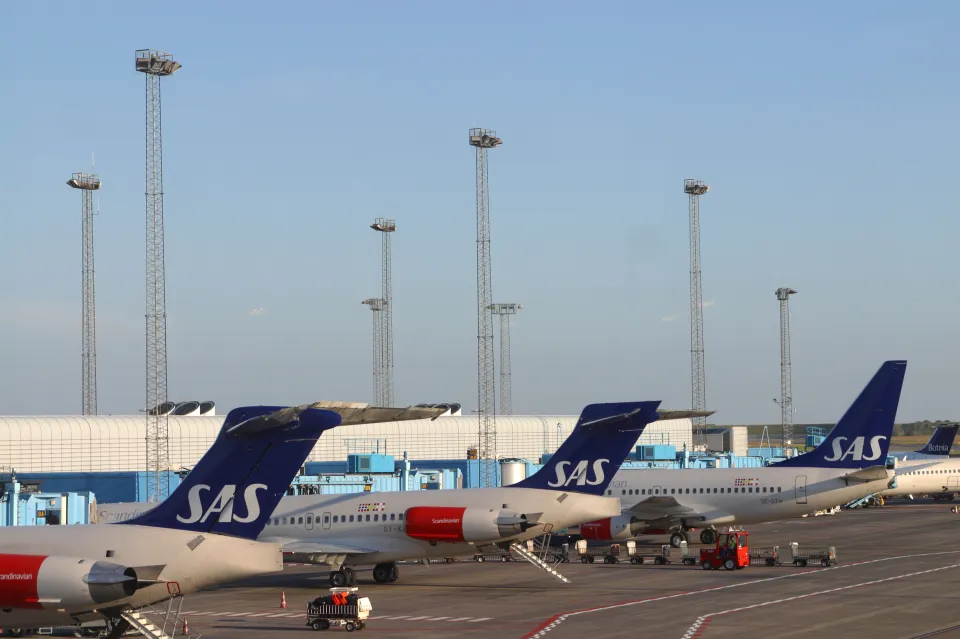
Scandinavian Airlines System (SAS) is the second airline to do so, following Air New Zealand.
Sign up for the Travel newsletter
Thank you!
SAS is the first European airline to cancel flights due to the soaring cost of jet fuelCredit: Alamy
While the majority will be shorter domestic routes, some other longer routes could also be affected.
The main flights affected are across Norway, Sweden and Denmark.
In a statement, the airline said: “Given the ongoing situation in the Middle East, including the sharp and sudden increase in global fuel prices, we are taking measures to strengthen our resilience.”
“One such measure is a limited number of short-term flight cancellations.”
The airline has also confirmed that they have increased flight prices, one of the first to do so in response to the conflict and alongside Qantas and Cathay Pacific.
SAS is the first major airline in Europe to axe flights because of of the cost of fuel going up.
THE UK is heating up today, with highs of 20C making it hotter than places in Athens and Ibiza.
So if you fancy a last minute trip to the beach, we’ve rounded up 11 of the best which you can get to by train from a UK city in less than 60 minutes.
Sign up for the Travel newsletter
Thank you!
From Weston-super-Mare to Brighton – these are the best beaches an hour by train from a cityCredit: AlamyGreat Yarmouth is less than half an hour from NorwichCredit: Alamy
Weston-super-Mare – 19 minutes from Bristol
One of the closest beaches to Bristol, Weston-super-Mare can often get a bad rap as a seaside town.
But the huge new £20million Weston Placemaking Strategy will regenerate the town as part of a 10-year plan, which includes a new waterpark and reopened pier.
The Kent town of Folkestone is getting a lot of hype at the moment – from the new ‘UK’s biggest beach sauna’ to the reopening on the seaside funicular this summer after years of closure.
It’s other claim to fame is being home to an Antony Gormley “Another Place” art installation, of which there are 100 cast-iron figures across the coastline.
The village has been crowned the world’s most beautiful by Forbes and receives 20,000 visitors on weekends – but overtourism has caused serious problems
The council has decided action must be taken (Image: Snowshill via Getty Images)
A UK village crowned the most beautiful in the world has moved forward in the fight against overtourism, with a huge cash boost and a raft of new potential measures.
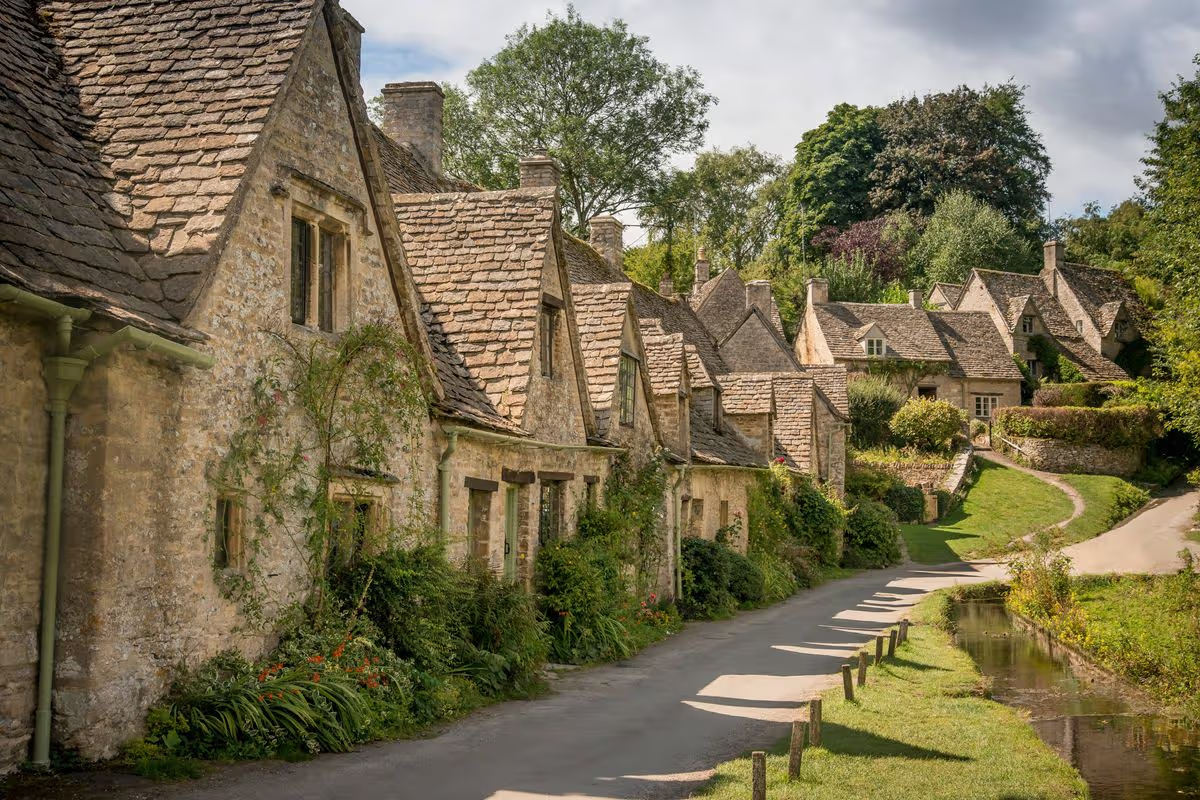
Bibury, nestled in the Gloucestershire Cotswolds, is an undeniably charming spot. It boasts honey-hued stone cottages, a gently winding river, and a historic, fairytale-like atmosphere. Its allure led Forbes to name it the world’s most attractive village for 2025, approximately 150 years after poet William Morris declared Bibury “the most beautiful village in England.”
The cottages of Arlington Row are often hailed as the most photographed and breathtaking cottages in Britain. Built in 1380 as a monastic wool store, it was later converted into a row of weavers’ cottages in the 17th century.
It’s easy to see why Bibury garners such accolades, with accommodation options like the Swan Hotel and The Catherine Wheel pub both welcoming inside and festooned with climbing plants outside. The village’s charm has put Bibury firmly on the tourist trail. And now, some locals say, things are getting out of hand.
Do you have a story to share? Email webtravel@reachplc.com
Chairman of the local parking action group, Mark Honeyball, who has resided in Bibury for a decade, has had some rather unpleasant experiences with visitors. He revealed to the Express that he asked a coach driver to move on from some double yellow lines before drama unfolded.
He said last year: “I’ve been physically attacked four times now, but once really quite badly two weeks ago, I was kicked in the chest and stomach and kneed and punched in the face full force by a driver that I’d just asked simply to move on from double yellows at the top of the village.
“The coach drivers themselves are being pushed here by their coach companies, they don’t really want to be here, they find it really difficult to park. The tour operators are the key behind this, the coach operators are doing what the tour operators ask them to do, primarily with people from China, India, and South Korea at the moment.”
Up to 20,000 tourists flood into Bibury over weekends in the high season, with as many as 50 coaches arriving daily. That’s a staggering number for a village home to merely 600 residents.
Following the period of consultation, the county council is considering a series of measures to control the impact of tourism. They include:
Permanent removal of coach parking bays and implementation of on-street parking restrictions.
Additional enforcement of parking restrictions.
Introducing pay-and-display parking.
Restricting coach parking/waiting using enforcement officers to support traffic flow.
Exploring if there are improvements that can be made to local bus services including options such as park and ride.
Restrictions on coaches entering the village were implemented in May last year. At that point, parking bays in the heart of the village were shut and new public bus stop clearways were established. The objective was to put a stop to “unsafe coach manoeuvres.” Following the summer trial period, Gloucestershire County Council decided to implement permanent restrictions on coaches entering the area.
Cllr Lisa Spivey, leader of the county council, said: “Hopefully we are getting somewhere. We did a trial last year which has been extended where we essentially removed the coach parking bays in the centre of the village and created drop off and pick up points for coaches, so we are now going to make that a more permanent solution.
“They have currently got some red and white plastic barriers which don’t look very nice in a historic village so we want to make that look nice. We are going to introduce pay and display parking so we can pay for more enforcement to make sure people aren’t parking where they shouldn’t be and causing an issue.
“We’ve been working alongside the coach operators and other stakeholders to really encourage the use of smaller vehicles to come into the village. There’s been a huge amount of engagement with the coach operators, Cotswold Tourism, the parish council, businesses, the police etc. Lots of people have been involved.”
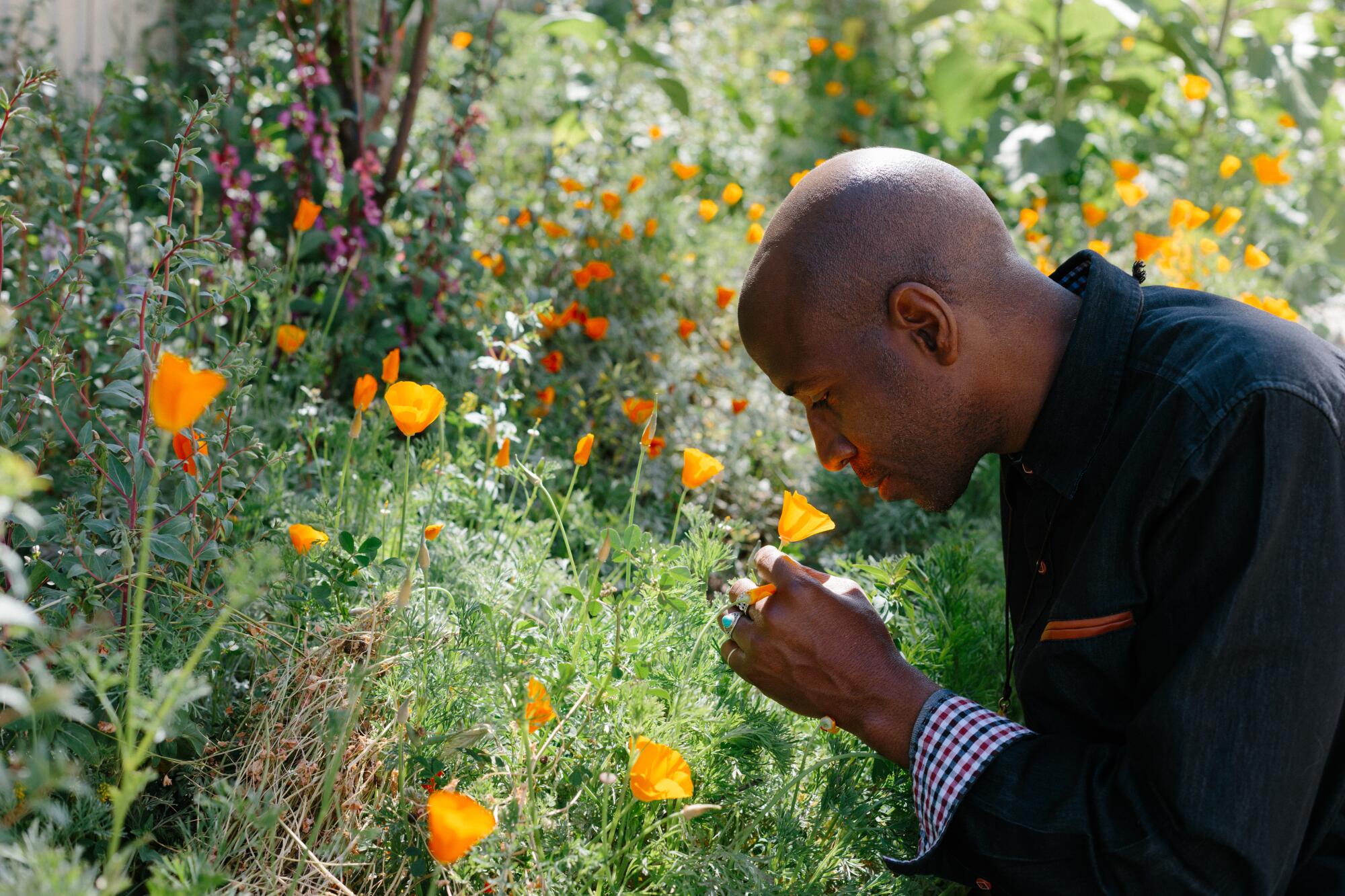
Scattered orange California poppies, California Lilac with bright blue blooms, and hummingbird sage with dark rose-lilac-colored flowers spontaneously tell us what we already know: Spring has arrived.
Southern California, especially Los Angeles, has many breathtaking botanical gardens and wildflower-lined hiking trails. But it’s also exciting to visit private home gardens that are rarely open to the public and find inspiration even if you don’t have space for a garden at home.
This year’s spring garden tours include a visit to a historic Midcentury Modern home designed by Buff, Straub and Hensman, complete with a river running through the property as part of the Garden Conservancy’s Open Days Tour. You can also check out a native garden at a Long Beach elementary school that is usually closed to visitors, or see how a young couple used a $5,000 turf rebate from the Los Angeles Department of Water and Power to transform their Inglewood yard during the Theodore Payne Foundation’s two-day Native Plant Garden Tour.
Whether you love gardening or simply enjoy beautiful landscapes and meeting other plant lovers, these tours offer plenty of ideas you can use long after your visit. From native plants to rose gardens, here are this spring’s local garden tours.
Blooming California poppies remind us that spring is here.
(Stella Kalinina / For The Times)
March 29 The Poppy Day Garden Tour raises money for the South Coast chapter of the California Native Plant Society. Visit 10 native plant gardens across the South Bay that support wildlife and help save water. The tour runs from 10 a.m. to 4 p.m. Tickets cost $15 in advance or $20 at the door, if available. Children and teens under age 18 get in free. For tickets and more information, visit cnps-south-coast.square.site.
The Creative Arts Group’s Art of the Garden Tour features self-guided visits to five gardens in Pasadena, Altadena and La Cañada Flintridge from 10:30 a.m. to 4 p.m. Tickets cost $45 in advance or $50 on the day of the event. This tour is the nonprofit’s biggest fundraiser of the year, supporting arts programs, exhibitions and classes for children and adults. Please note that photography, pets and children under age 12 are not allowed on the tours. You can also stop by the Creative Arts Group Gallery at 108 N. Baldwin Ave. in Sierra Madre to buy tickets in person and see artwork from more than 25 local artists. For more information, visit creativeartsgroup.org.
(Mariah Tauger / Los Angeles Times)
April 11-12 Theodore Payne Foundation’s Native Plant Garden Tour: Habitats That Heal is a showcase for 42 gardens across Los Angeles, each with at least half native plants. The self-guided tour runs from 10 a.m. to 5 p.m. on both days. On April 11, you can visit 20 gardens in neighborhoods in Sherman Oaks, Van Nuys, North Hollywood, Shadow Hills, Tujunga, Montrose, Burbank, Glendale, Eagle Rock, Highland Park, South Pasadena, Pasadena and Altadena. On April 12, the tour covers gardens in Santa Monica, Venice, West L.A., Del Rey, Baldwin Hills, Mid-City, Inglewood, South L.A., Beverly Hills, West Hollywood, Hollywood, Los Feliz, Glassell Park, Highland Park, Mt. Washington, El Sereno and Alhambra. Tickets cost $55, or $50 for members, and children under age 16 are free. If you buy a ticket, you’ll receive a guidebook in the mail, which also serves as your ticket. Starting March 26, tickets and maps are only available for purchase in person at the foundation office in Sun Valley from 8:30 a.m. to 4:30 p.m. Tuesday through Saturday. The office is closed on Sunday and Monday. For more information, visit nativeplantgardentour.org.
California Native Plant Society’s San Diego Native Garden Tour is a showcase of 31 private gardens across the city, including the CNPS San Diego Native Plant Teaching Garden, Southwestern College Botanical Garden, Paradise Hills and Native West Nursery. Each garden in the self-guided tour uses at least 60% California native plants, demonstrating how these gardens protect local biodiversity. The tour is from 9 a.m. to 4 p.m. Tickets are $45; children age 17 and under are free. Will call locations and instructions will be emailed after ticket purchase at eventbrite.com.
A “Welcome to California” sign is seen at Prisk Native Plant Garden in Long Beach.
(Dania Maxwell / Los Angeles Times)
April 12 and 19 The Prisk Native Plant Garden Open House is celebrating its 30th year with an annual tour of the garden, which is usually closed to the public. You can visit from 1 to 4 p.m. both days at William F. Prisk Elementary School, 2375 Fanwood Ave. in Long Beach. The garden is located behind the school at East Los Arcos Street and Albury Avenue. Admission is free, but donations are welcome. For more information, visit facebook.com/prisknativegarden.
April 19 The Garden Conservancy Pasadena Open Days Tour welcomes you to visit four private gardens at historic homes. You can see Buff, Straub and Hensman’s Midcentury Modern Norton House, the 1916 Spanish Revival-style home called Mi Sueño del Sur, a Southern California Arts and Crafts garden, and the rose gardens of a historic Pasadena estate from the 1900s. The tour runs from 10 a.m. to 4 p.m. Tickets cost $10 per garden and are available online only. Children ages 12 and under can join the tour for free with an adult. For more information, visit gardenconservancy.org.
Desert gardens with native plants at the Mojave Land Trust in Joshua Tree.
(Gina Ferazzi / Los Angeles Times)
The Morongo Basin Conservation Assn. is hosting its 15th Annual Desert-Wise Landscape Tour. This self-guided event runs from 9 a.m. to 4 p.m. and features four private gardens in Pioneertown and Yucca Valley, along with three demonstration gardens in Joshua Tree. Tickets cost $25, or $20 for members. You can find tickets and more information on the MBCA website, mbconservation.org. On the day of the tour, registration will only be available at the Mojave Desert Land Trust in Joshua Tree.
April 25 Habitat Garden Tours at Caroline Park and Ryan Bonaminio Park, the Riverside-San Bernardino Chapter of the California Native Plant Society is offering free tours of two large native plant gardens within city parks in Redlands and Riverside. Morning tours of the 16-acre Caroline Park in Redlands, which is dedicated to California native plants, will be held at 9 a.m., 10 a.m. and 11 a.m. Park near the corner of Mariposa Drive and Poppy Road, then enter the park using the trail to the left of the Caroline Park sign. Meet at the kiosk upon arrival. Afternoon tours at Ryan Bonaminio Park in Riverside, which features restored native plants from local floodplains and upland areas that support pollinators, will be held at 1 p.m. and 2 p.m. Park on the west end of the parking lot to access the decomposed granite path leading to the 1.17-acre habitat garden. The tours are free, and you are welcome to join at any scheduled time. For more information, visit: chapters.cnps.org/riversidesanbernardino.
April 25-26 The Floral Park Home & Garden Tour in North Santa Ana invites you to explore historic homes and gardens from the 1920s to the 1950s from 10 a.m. to 4 p.m. on both days. Along with the tours, you can enjoy the Street of Treasures Market, sample food from local restaurants and check out a car show. All proceeds help fund community scholarships and support nonprofit organizations. Tickets cost $45 if you buy them by April 20, or $50 at the door. For more details, visit floralparkhometour.com.
The Riverside Community Flower Show & Garden Tour: Garden Party features self-guided tours of six local gardens, with master gardeners on hand to answer your questions. Tours are open from 10 a.m. to 5 p.m. both days. You can also visit a free flower show at the Riverside Elks Lodge, 6166 Brockton Ave., from 9 a.m. to 5 p.m. Admission to the garden tour is $10, and children under 16 get in free. For more information, visit riversideflowershow.com.
Bungalow Heaven, a tree-lined neighborhood in Pasadena, is known for its substantial collection of Craftsman bungalows.
(Juliana Yamada / Los Angeles Times)
April 26 The 35th Annual Bungalow Heaven Home Tour features self-guided walks through eight homes, with volunteer docents ready to share each home’s history and architecture. Although the focus is on architecture, many of the homes in the landmark district have lovely landscaped backyards that guests are welcome to visit and admire. McDonald Park will be lively all day with music, a silent auction of unique items, homemade cookies and local food trucks for lunch. It’s from 10 a.m. to 4 p.m. Advance tickets are $25 at bungalowheaven.org and available until April 25 at 8 p.m. Tickets on the day of the tour are $30 and can be bought at McDonald Park, 1000 E. Mountain St., starting at 9:40 a.m. Part of the proceeds will go to San Gabriel Valley Habitat for Humanity to help those affected by the Eaton fire.
May 2 The Laguna Beach Garden Club’s 20th Gate & Garden Tour starts at the Bruce Scherer Waterwise and Fire-Safe Gardens, located at 306 3rd St. in Laguna Beach. Special buses will take ticket holders to visit several local gardens. You can buy Mexican food and artisanal margaritas and enjoy free homemade baked goods. Artists will be painting in some of the gardens, and if you wear a festive garden party hat, you’ll be entered in the club’s hat contest. Proceeds help fund school gardens, local scholarships and community projects. The tours run from 10 a.m. to 4 p.m. Please note that children are not allowed. Timed-entry tickets are $65.87 online, which includes entry between 10 a.m. and 2 p.m., plus one food item and one drink. Find tickets at eventbrite.com.
A welcome sign at one of the garden’s in last year’s Mary Lou Heard Memorial Garden Tour.
(Juliana Yamada / Los Angeles Times)
May 2-3 The Mary Lou Heard Memorial Garden Tour: Real Gardens by Real People features self-guided tours of 34 gardens spanning Long Beach to San Clemente from 10 a.m. to 5 p.m. both days. The tour is free, but donation jars will be set out at the gardens to support the Sheepfold, a crisis center for women and children that has long been the foundation’s annual tour beneficiary. For more information, visit heardsgardentour.com.
May 3 Inspired Garden Artistry invites you to the Blooms with a View Garden Tour, featuring 10 private home gardens in View Park, Windsor Hills, Ladera Heights and Baldwin Hills. The tour runs from 10 a.m. to 5 p.m. You can also enjoy the free Garden & Community Resource Expo at Ladera Park’s south entrance, 4750 W. 62nd St. during the same hours. The expo offers artisans, landscape architects, nurseries, local community services, food trucks, giveaways, a plant swap and fun activities for families. Tickets are $30 online until April 15 and $35 from April 16 through May 3. Kids ages 12 and under enter free. To learn more, visit inspiredgardenartistry.com.
Join the 28th Livingston Memorial Visiting Nurse Assn. & Hospice Camarillo Garden Tour and explore four beautiful Camarillo gardens from noon to 4 p.m. Artists from the Pastel Society of the Gold Coast will be giving demonstrations in at least two of the gardens. Tickets are $30 online, and all proceeds support the association’s hospice program in Camarillo. For more information, visit lmvna.org/gardentour.
May 9 The West Floral Park and Jack Fisher Park neighborhoods are hosting the 19th annual Open Garden Day, featuring tours of two tree-lined areas with vintage homes in North Santa Ana. Enjoy live music, art displays, garden talks and demonstrations, a classic car display, and free bottled water at the gardens. In the morning, you can buy coffee and doughnuts, and vendors will offer food and garden products from 9 a.m. to 4 p.m. Tours run from 9:30 a.m. to 3:30 p.m., with a shuttle service between the two tour loops to help reduce wait times. Tickets go on sale online starting March 20 for $20, or you can buy them for $25 on the day of the event at West Santa Clara and North Westwood avenues in Santa Ana. For more information, visit opengardenday.com.
In 2024, visitors explored the garden of Dennis Mudd, the creator of Calscape, during the San Diego Native Garden Tour hosted by the California Native Plant Society.
(Silke Gathmann)
May 14 The 29th Newport Harbor Home & Garden Tour, hosted by Barclay Butera Interior Design, invites guests to explore six locally designed homes and gardens near Newport Harbor High School from 10 a.m. to 3 p.m. The day begins with a morning reception at 9 a.m., followed by a luncheon from 11 a.m. to 2 p.m., and ends with a reception at Barclay Butera from 2 to 5 p.m. This event raises funds for the Newport Harbor Educational Foundation to help support academic programs and faculty at Newport Harbor High School. Tickets are available online for $125 until April 24 at newportharborhometour.com.
May 16 The San Clemente Garden Club’s2026 Garden Tour offers self-guided tours and live entertainment at several local gardens from 10 a.m. to 4 p.m. You can buy tickets online ahead of time for $40 each, or $35 each if you buy four or more. Tickets on the day of the event are $50. All proceeds help fund the club’s college scholarships, junior gardeners programs, local conservation groups and civic beautification projects in San Clemente. For more information, visit sanclementegardenclub.com.
A Matilija poppy grows in West Hills.
(Myung J. Chun / Los Angeles Times)
May 17 The Rossmoor Woman’s Club is hosting its 22nd Garden Tour, offering self-guided visits to five or six private gardens in the Rossmoor-Los Alamitos area of Orange County, just north of Seal Beach. The tour runs from 10 a.m. to 4 p.m. There will also be a marketplace with vendors and refreshments. Tickets cost $20 and will be available online in April or at the club’s outdoor marketplace at the Farmers & Merchants Bank, 12535 Seal Beach Blvd., on the day of the tour. All proceeds go to local charities and college scholarships for Los Alamitos High School students. For more information, visit rossmoorwomansclub.org.
Anxieties due to war. A culture inhospitable to LGBTQ+ communities. And an underpinning of loneliness and suppressed yearning.
The play “5 Lesbians Eating a Quiche” is set in 1956, but its themes resonate in 2026. The United States is at war. Attacks on gay marriage and other LGBTQ+ rights remain a cornerstone of today’s conservative movement. A reimagining of the 2011 production, one popular with universities and fringe festivals, seeks to further modernize the show in which a morning gathering quickly turns into a stay in a Cold War-era bomb shelter after near nuclear annihilation.
When I arrived at the back room of a Glendale church, I was given a new name. It was clear that “Todd” was not welcome here. “Joan” turned out to be a suitable replacement, and I was immediately asked how my life had been since my husband had died. For on this night I would no longer be occupying the role of a straight white male. Every audience member is asked to take on the persona of a widow, for losing a husband appeared to be a perquisite to enter this meeting of the Susan B. Anthony Society for the Sisters of Gertude Stein.
How did he die, I was asked. “Ski accident,” I blurted out. “Yours?” A camping travesty that led to a bear mauling, I was told. Ad-libbing, in addition to quiche, was on the menu tonight. Metaphors, absurdities and seriousness intermingle in this production from New Forms LA and directed by Marissa Pattullo.
Pattullo’s vision for “5 Lesbians Eating a Quiche” ramps up the interactivity, seeking to transform a largely traditional proscenium show, albeit one with a few moments of fourth-wall breaking, into one that is centered around audience participation. Staged in a flex space without a tinge of irony at the Glendale Church of the Brethren, “5 Lesbians,” written by Evan Linder and Andrew Hobgood, has been reconstructed as a largely immersive production, that is one that asks audiences to lean in and interact.
Jessica Damouni’s Ginny Cadbury devouring breakfast in “5 Lesbians Eating a Quiche,” a show that unfolds as a giant metaphor.
(New Forms LA)
While there is a small stage, it is used sparingly. The five-person cast roams the room, sitting at various circular tables to blur the lines between script and improvisation. Typically a svelte 75-minute show, on the night I saw the production it swelled to about two hours, allowing time for drinks, mingling and, of course, the eating of a quiche. Pattullo has added an intermission, with quiches courtesy of Kitchen Mouse and Just What I Kneaded included in the ticket.
For quiche, I was told often, was the primary topic of conversation at the Easter-timed meeting, so much so that it was clear within moments that this was a gathering not of breakfast enthusiasts but of the repressed. The hidden meaning is no secret; it’s in the title of the play.
“It’s a giant metaphor,” Pattullo, 30, says. The show, she adds, “keeps finding ways to make sense with the times, whether it’s Trump being elected, or we’re at war. Or gay marriage. All of those things. A bomb going off and being trapped inside. It speaks to whoever is watching it.”
Pattullo, who splits time building New Forms LA and serving tables at Los Feliz’s Little Dom’s, first discovered the show while in college in the Midwest. It immediately resonated, and Pattullo has been tinkering with ways to perform it live ever since. During the worst of the COVID-19 pandemic, she staged an online version of the show, and debuted it as an immersive production last winter. It’s back for two weekends this month.
“5 Lesbians” makes a relatively smooth transition to the immersive format. Perhaps that’s because the audience, in the script, is cast as attendees of the Susan B. Anthony Society for the Sisters of Gertude Stein’s brunch meeting, whose motto is “no men, no meat, all manners.” For about the first 30 minutes of the show we largely interact with the actors. Dale Prist (Nicole Ohara) has hidden ambitions. Vern Schultz (Chandler Cummings) seems ready for the group to cut its charade. Lulie Stanwyck (Noelle Urbano) is fighting so hard to stay prim and proper that she feels on the verge of bursting.
“I really like to play,” Pattullo says, referencing how “5 Lesbians” lends itself to improvisation. “Some of the girls I think are very ‘stick to the script.’ I’m like, ‘Stray from the script.’ If people come in late, call them out. If people are talking, call them out. You can adjust and improvise in immersive theater. Having a script but being able to break from it, is really fun for me. It tickles me.”
Wren Robin (Emily Yetter), Vern Schultz (Chandler Cummings) and Lulie Stanwyck (Noelle Urbano) protect breakfast in “5 Lesbians Eating a Quiche.”
(New Forms LA)
There’s an underlying tension in the show because it walks a line between silliness and graveness. Ultimately, “5 Lesbians” is about finding joy in dark times, and moments inspire uncomfortable laughter, such as jokes about gay marriage being legal in four years’ time (1960) or Ginny Cadbury (Jessica Damouni) devouring a quiche in a way that leaves nothing to the imagination. But it’s also a show about how stressful moments can bring about vulnerability and community, as the whole church practically exhaled when Wren Robbin (Emily Yetter) finally let her hair down and expressed who she truly was.
“5 Lesbians Eating a Quiche”
“Even when we did it back when I was in college, Trump had just won, so it just feels like it’s keeping relevant,” Pattullo says. The timeliness, she says, makes it such an amusing play to perform.
Pattullo will sometimes, depending on cast availability, take on a role in the show. It’s a chance, she says, to amplify the play’s wackiness, which she believes helps puts audiences at ease and makes its difficult subject matter easier to digest. She tries to create the most outlandish tale possible for when relaying to guests one on one how her husband perished.
“My story was a raccoon attack,” she says. “Because my husband thought the raccoon was behaving with foreign intent, like the raccoon was a spy or something. It was just stupid.”
Or it was evidence of how immersive theater can delight when it deviates from the script.
Just like regular consumers at the gas station, airlines refueling in Los Angeles are being forced to adjust to higher prices at the pump.
Jet fuel prices have shot up, and experts say airfares are following suit.
With a busy summer travel season approaching, airlines are starting to pass the costs on to passengers through higher fares and fees.
“Whenever there’s a surge in oil prices, the airlines end up passing that to the consumers immediately,” said Diego Bufquin, director of hospitality management and entrepreneurship at Tulane University. “It doesn’t take a long time.”
Airlines have been struggling around the world since the U.S. and Israel began bombing Iran late last month. Flights have to take longer paths around war zones, and higher fuel costs eat into their already razor-thin profit margins.
Jet fuel prices account for about a third of airlines’ operating costs, so they “cannot afford to wait to upcharge their customers,” Bufquin said.
United Airlines Chief Executive Scott Kirby told CNBC that the spike in fuel prices will have a “meaningful” impact on the airline’s financial results.
Some airlines outside the U.S. have already added fuel surcharges to their ticket fees. Air India announced a phased increase in fuel surcharges on domestic and international routes last week. Hong Kong’s flag carrier Cathay Pacific announced it would charge extra on all fares to cover fuel costs starting Wednesday.
Airlines topping up at LAX and other regional airports are already being hit. Jet fuel prices in Los Angeles have jumped more than 40% since the conflict in the Middle East started.
Just like the price of gas for cars, jet fuel often costs considerably more in California than in other states.
California is largely detached from the rest of the fuel distribution system. With limited pipeline connectivity, it relies more on sea delivery from other states and countries. California also has higher taxes on jet fuel than many other states.
National average gas prices reached $3.71 per gallon on Tuesday, according to AAA. In California, the average Tuesday was $5.52 per gallon.
Still, spring and summer demand is likely to remain strong even if prices rise, said Alan Fyall, an associate dean of the University of Central Florida Rosen College of Hospitality Management.
“Fares are going up, but the demand is still there domestically,” Fyall said. “The only thing that really dampens demand is economic recession.”
Indeed, consumers have been booking earlier than usual to lock in lower prices for their summer travel, airlines said. Delta and American Airlines had some of their strongest-ever single-day sales in March.
“When prices did spike, we saw a spike in demand,” Alaska Airlines Inc. Chief Executive Ben Minicucci said this week, according to Bloomberg. “I think people got this initial, ‘Wow, if this thing is going to go crazy, I better book my fare now before fares go up.’”
Airlines and other industries will face tougher conditions if fuel prices remain high for a prolonged period, he added.
Airfares were already on the rise, according to the Consumer Price Index, which found that the airline fares index rose 1.4% in February compared to last year.
The impact will vary by airline, said Fyall. Many airlines hedge their fuel to negotiate a fixed price, and stock up on fuel while it’s less expensive.
“The airlines that manage their fuel-buying process very well, that hedge very well, tend to be able to offset the price charges quite well,” Fyall said.
Jet fuel prices are even more sensitive to economic forces than auto fuel prices, experts said.
It’s not yet clear if Californians will have to pay significantly higher airfares than their neighbors, but some in-state flight routes could become temporarily unavailable, according to Bufquin. As airlines look to save money, they could cut certain shorter, less profitable routes.
“Budget airlines like Spirit and flights from smaller California hubs like Burbank, San José and Fresno are at risk of being canceled,” Bufquin said.