Wednesday 12 November Youth National Day in East Timor
After declaring independence from Portugal in 1975, the new-found sovereignty was short-lived when Indonesia annexed the nation. This led to the start of the war of independence that would last until 1999.
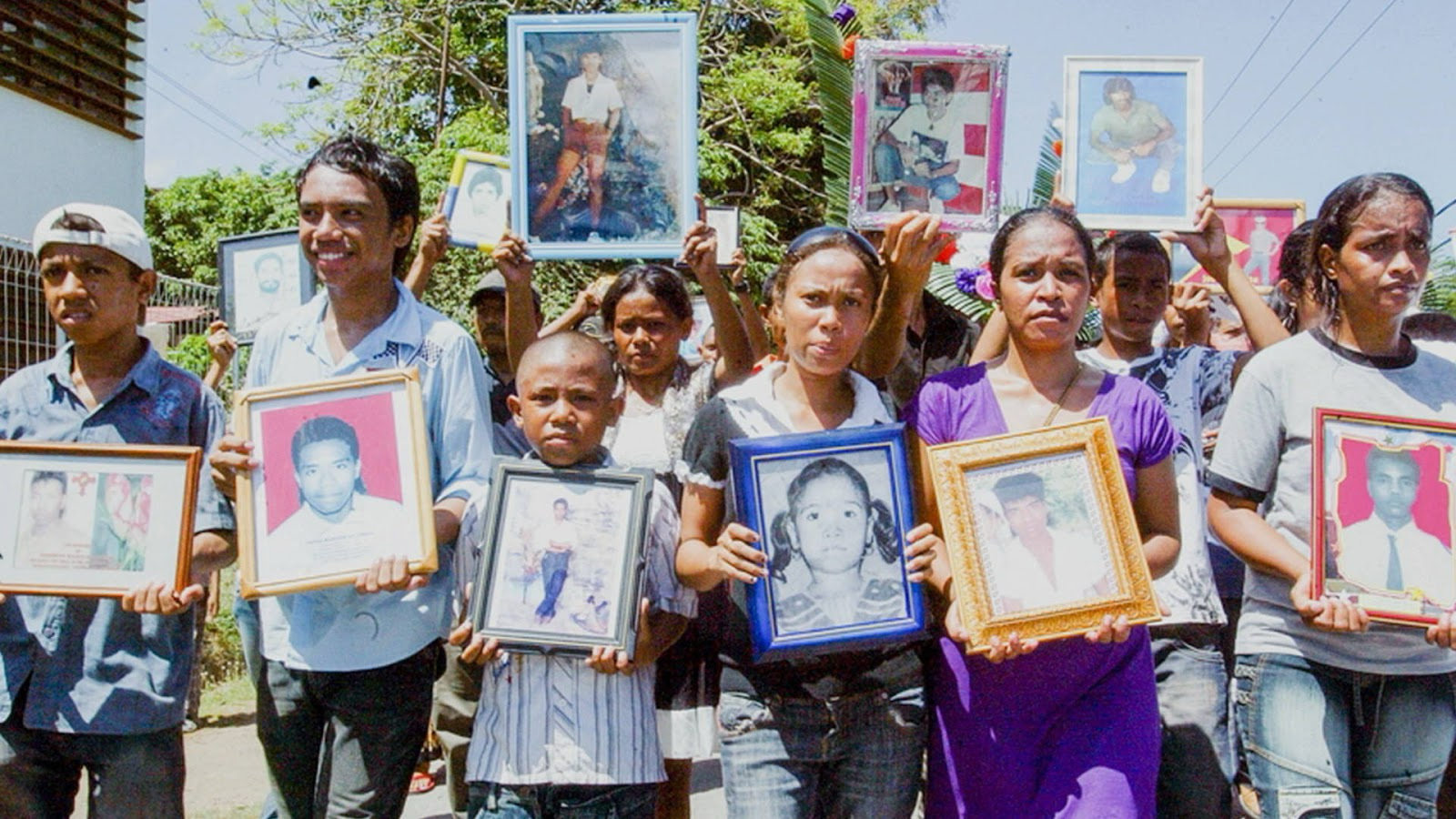
On November 12th 1991, thousands of young people attended the funeral of Sebastião Gomes, a supporter of the independence of East Timor who had been killed by the Indonesian army. After attending Mass at the Church in Motael, Dili they marched to the Santa Cruz cemetery. Their peaceful march gave rise to singing and the waving of banners expressing their deep yearning for justice and freedom.
“Chega!”, the report of the Commission for Reception, Truth and Reconciliation in East Timor, records what happened next as Indonesian soldiers opened fire on the students as they arrived at the cemetery. “Soldiers opened fire with automatic weapons into the unarmed and peaceful crowd, many of whom fled into the grounds of the cemetery”, said the report. Independent estimates put the number killed as high as 271, with 250 listed as missing.
The Santa Cruz massacre was a turning point in Timor-Leste’s struggle for self-determination as footage of the event was smuggled out of the country by two American journalists and a British television presenter. It was later broadcast on British television and it caused the wave of outrage around the world.
Events for the day include a Mass at the Motael Church, a procession between the church and the cemetery, and a Commemoration Service in the cemetery. People light candles after the sunset to commemorate those, who died in the massacre. Other cultural and sporting events take place over a number of days.